
Eustoma exaltatum
Eustoma exaltatum (L.) Salisb. ex G. Don
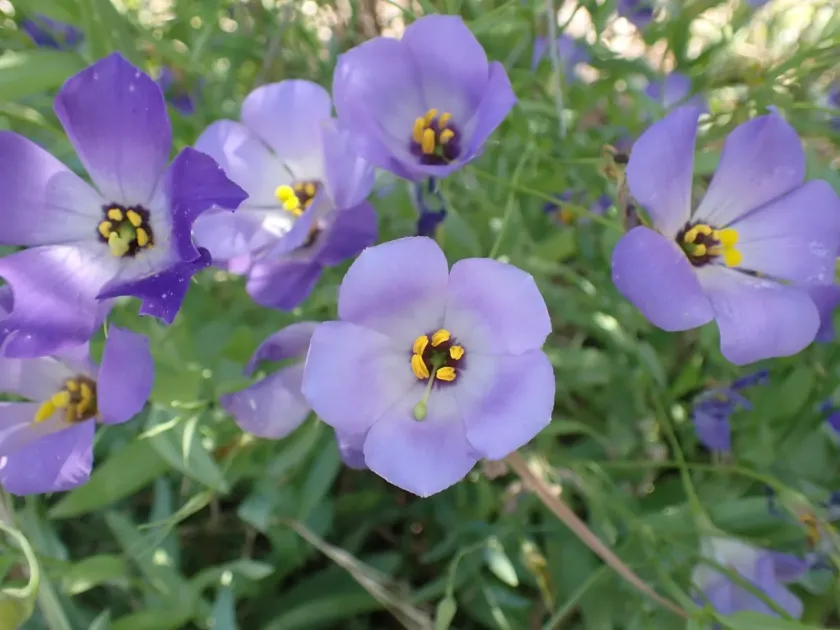
Description
Sowing dates
Eustoma exaltatum, a member of the Gentianaceae family, is a slow-growing herbaceous plant that requires a significant lead time, usually started from seeds in late winter.
The seeds are minute and must be sown on the surface of a fine, sterile substrate, kept moist, and placed under bright, filtered light for optimal germination.
Maintaining a temperature range of +22°C to +25°C is critical during the initial germination phase, which typically takes about two weeks.
Seedlings develop slowly, necessitating supplemental LED lighting to ensure sturdy stems and healthy root systems before they are ready for transplanting.
Transplanting into the permanent growing site should only occur once the soil has warmed up and all danger of frost has completely passed.
Growing requirements
This crop thrives in well-drained, fertile soil with a neutral pH, and it is highly susceptible to root damage if the substrate becomes waterlogged.
Eustoma requires a sunny location with high light intensity, although it may benefit from light shade in regions with extremely intense summer heat.
Adequate spacing between plants is essential to promote airflow and decrease the humidity levels around the foliage, which helps prevent diseases.
Watering practices must be precise; applying water directly to the root zone while keeping the leaves dry helps maintain plant health.
Balanced fertilization throughout the vegetative stage supports the production of high-quality stems and abundant, long-lasting blossoms.
Main diseases and pests
Fungal pathogens such as Botrytis and Fusarium are the primary threats, often occurring when environmental conditions are excessively humid or ventilation is poor.
Pests like thrips and aphids are common challenges, frequently colonizing tender new growth and affecting the aesthetic quality of the blooms.
Integrated pest management strategies, including the use of targeted biological agents or chemical controls, should be implemented at the first sign of infestation.
Regular sanitation of the greenhouse or field, including the removal of dead plant material, is crucial for minimizing the pressure of pests and diseases.
Proactive monitoring of the crop is recommended to detect any signs of stress or nutrient deficiency early in the growth cycle.
Harvesting
Harvesting is typically performed when at least two to three flower buds on the stem are showing color and beginning to open.
Using sterile cutting tools prevents the transmission of pathogens, ensuring the health of the remaining crop during the harvesting period.
The stems should be processed immediately after harvesting, ensuring they are placed in clean, fresh water to maintain turgidity.
Eustoma exaltatum is highly valued in the cut flower industry for its longevity in vases and its resemblance to delicate roses.
Proper post-harvest handling, including storing flowers in a cool environment, significantly extends their shelf life and ornamental value.