
Castela erecta
Castela erecta
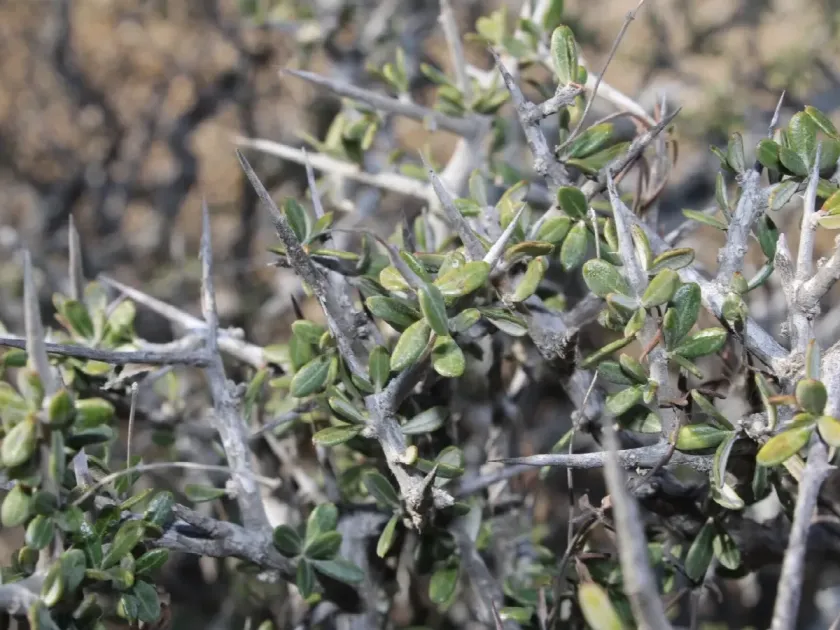
Description
Growing requirements
Castela erecta is a woody perennial shrub belonging to the Simaroubaceae family. This species is native to the arid and semi-arid regions of the Americas, including parts of the Caribbean and South America.
The plant is highly adapted to harsh environmental conditions, thriving in dry, sandy, or rocky soils where other species might struggle. Its ability to tolerate salinity makes it an ideal candidate for soil stabilization in coastal ecosystems.
Effective drainage is the primary requirement for successful cultivation. The root system is extremely sensitive to waterlogging, which can lead to fungal infections and rapid plant decline in poorly drained substrates.
Sunlight exposure is essential for the plant's physiological development. Optimal growth is achieved under full sun conditions, which also contributes to the synthesis of bioactive compounds within the shrub's tissues.
Being a tropical species, it requires a frost-free climate year-round. It shows remarkable resilience to prolonged drought, making it a low-maintenance option for regions with minimal rainfall.
Harvesting
The primary economic value of Castela erecta lies in its medicinal properties, specifically attributed to the presence of quassinoids found in its roots and bark. These compounds are known for their extreme bitterness and therapeutic effects.
Harvesting involves the careful extraction of the root system or sustainable harvesting of the bark. It is crucial to implement rotation methods to allow for natural regeneration of the shrub populations.
After collection, the plant parts are processed through natural drying methods. Maintaining specific humidity and temperature levels during drying is critical to preserving the integrity of the active ingredients.
Historically, the plant has been utilized in traditional medicine for its antiparasitic and tonic properties. Today, it remains an important resource for specialized herbal medicine production.
Future agricultural efforts focus on establishing sustainable plantations that simulate the plant’s natural xerophytic environment, ensuring a consistent and high-quality supply of raw materials.