
Cassia nealii
Cassia nealii
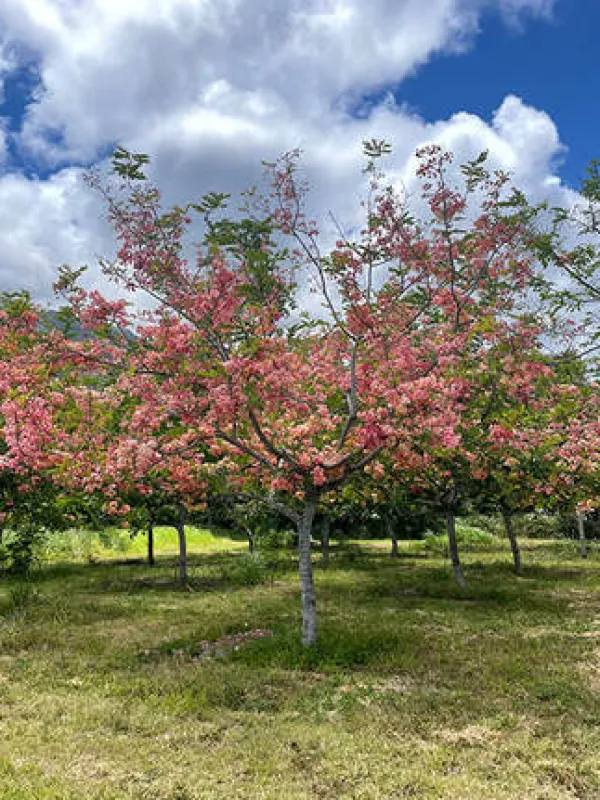
Description
Growing requirements
Cassia nealii is a distinctive member of the Fabaceae family, recognized for its botanical significance as a tropical tree species. It thrives primarily in warm, humid climates, requiring consistent temperatures throughout its vegetative cycle to maintain healthy physiological processes.
The plant demonstrates a strong preference for well-drained, nutrient-rich soils. In agricultural settings, it is crucial to avoid heavy clay substrates that promote waterlogging, which can severely damage the tree's root system and decrease overall vigor.
Regarding light exposure, this species is heliophilic and requires direct sunlight to flourish. Insufficient light intensity often results in reduced flowering, spindly branching, and an increased susceptibility to secondary pests due to a weakened immune system.
Moisture management is key to successful cultivation. While the tree requires regular irrigation during early development, mature specimens demonstrate moderate drought tolerance. However, consistent moisture availability is still preferred to maximize biomass and floral yield.
General maintenance involves annual pruning to manage tree height and improve canopy density. Additionally, implementing an integrated fertilization program focusing on balanced NPK ratios is recommended to support rapid growth and ensure long-term health in cultivated environments.