
Caryodendron orinocense
Caryodendron orinocense
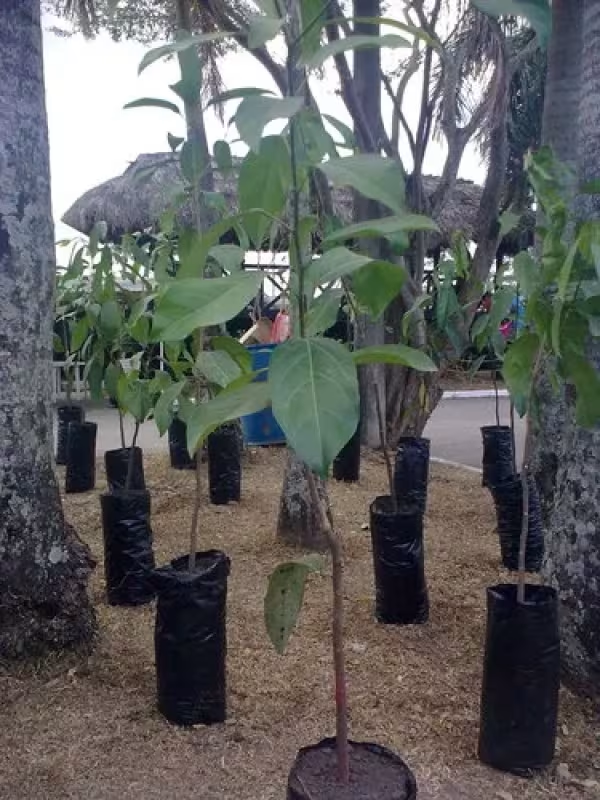
Description
Sowing dates
Caryodendron orinocense is typically propagated by seeds, which need to be planted as soon as possible after harvesting due to their rapid loss of viability.
The seeds are placed in a damp, well-draining substrate under warm conditions, ensuring that moisture is maintained consistently throughout the germination period.
Seedlings should be kept in a shaded nursery environment during their early growth stages to protect them from direct sunlight and environmental stress.
Transplanting into the field is best performed at the onset of the rainy season to allow the root system to establish itself before the dry period arrives.
Proper spacing is crucial, with recommendations often ranging between 6 to 10 meters between trees to allow for adequate canopy development and aeration.
Growing requirements
This species belongs to the Euphorbiaceae family and is native to the moist, tropical regions of South America, particularly the Orinoco River basin.
The tree thrives in deep, fertile soils with a neutral or slightly acidic pH, requiring good drainage to prevent waterlogging, which the species dislikes.
An ideal climate consists of consistently warm temperatures, generally between 22 and 30 degrees Celsius, and high annual rainfall levels.
The tree is adapted to the tropical understory but benefits from ample light as it matures, provided the soil remains moist and nutrient-rich.
Regular application of organic mulch can help preserve soil moisture and provide the necessary nutrients for long-term growth and high productivity.
Yield
The fruit is a three-lobed capsule containing oil-rich seeds, often referred to as Orinoco nuts, which are highly valued for their nutritional profile.
Trees typically begin to bear fruit between 5 to 8 years after planting, with productivity increasing significantly as the tree reaches maturity.
An adult tree can yield substantial quantities of nuts, making it a viable and sustainable crop for farmers in the tropical forest regions.
Harvesting timing is essential as fruits ripen sporadically, requiring multiple passes through the plantation to ensure no loss of potential yield.
The nuts are prized for their high oil content, making them a significant agricultural product in local markets and for small-scale export.
Main diseases and pests
Fungal diseases related to high humidity and poor air circulation are the most common threats to the health of Caryodendron orinocense plantations.
Various insects can target the young shoots and leaves, necessitating monitoring programs to detect outbreaks of pests like mealybugs or scales.
Root rot caused by stagnant water or soil-borne pathogens can severely compromise tree health and lead to yield reduction over time.
Effective management includes maintaining proper tree spacing and performing regular pruning to ensure the crown receives adequate light and air.
Integrated pest management strategies are often used to control potential infestations while minimizing the use of synthetic chemical inputs.
Harvesting
Harvesting is performed by hand once the capsules naturally open and the nuts begin to drop, signaling that they have reached full maturity.
Immediate post-harvest drying is required to reduce moisture content in the seeds, which helps prevent mold development and ensures storage stability.
Once dried, the seeds are shelled to extract the edible nut kernels, which are then processed for direct consumption or oil extraction.
Storage facilities must be cool and dry, as the high oil content of the nuts makes them susceptible to rancidity if exposed to heat and light.
The resulting products are highly sought after in the cosmetic and food industries due to their rich composition of essential fatty acids and nutrients.