
Carteria cordiformis
Carteria cordiformis
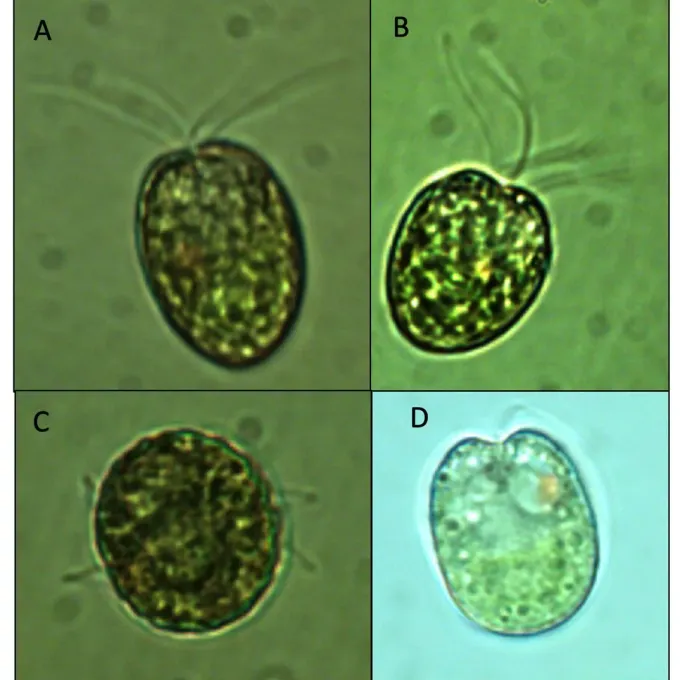
Description
Growing requirements
Carteria cordiformis is a single-celled green alga belonging to the Carteriaceae family. It is primarily recognized as a component of freshwater phytoplankton rather than a traditional field crop, though it is studied in phycology and aquaculture.
The natural range of this species includes various stagnant freshwater bodies such as ponds, pools, and ditches. It flourishes in nutrient-rich environments where organic matter availability supports rapid primary production.
Optimal growth conditions necessitate moderate temperatures, typically ranging from 18 to 25 degrees Celsius. Photoperiod and light intensity are essential factors that dictate the metabolic activity of the organism through photosynthesis.
Botanically, the cell is characterized by its distinct heart-shaped morphology and four equal flagella located at the anterior pole. These flagella facilitate motility, allowing the organism to navigate towards favorable light conditions within the water column.
Cultivation protocols for this species require a balanced nutrient medium containing nitrogen, phosphorus, and essential trace minerals. Maintaining stable pH levels and preventing contamination by predatory protozoa are critical for successful biomass production.