
Carpotroche brasiliensis
Carpotroche brasiliensis
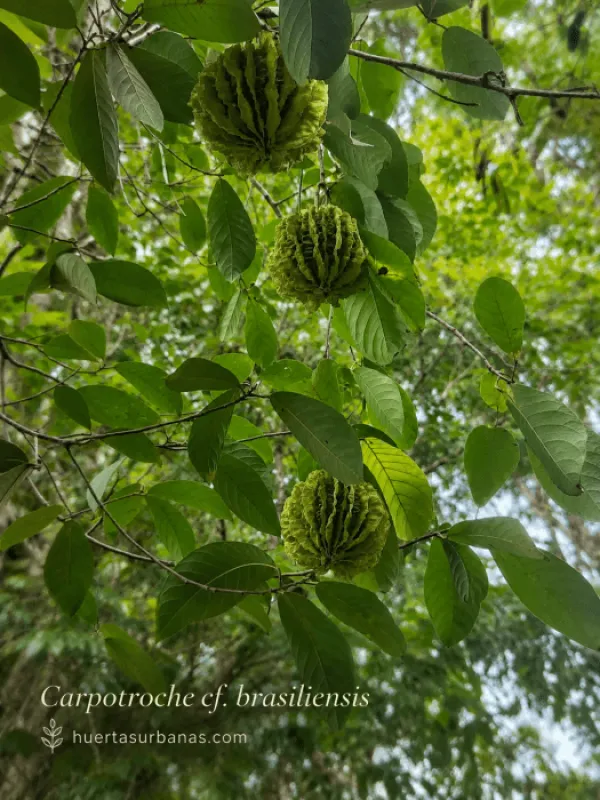
Description
Sowing dates
Propagation of Carpotroche brasiliensis is primarily achieved through seeds, which must be sown immediately after harvesting due to their rapid loss of viability when dried. Freshness is the most critical factor for successful germination.
The optimal germination environment involves a high-humidity substrate and consistent temperatures around 25°C. Nurseries should be shaded to protect delicate seedlings from the intense tropical sun during their early growth stages.
Seeds should be cleaned of their pulp to prevent fungal growth during the sprouting process. Using a high-quality, organic-rich growing medium ensures the development of a robust root system, which is essential for the tree's future vigor.
Transplanting into the field is recommended at the beginning of the rainy season to provide the necessary moisture for the young trees to establish themselves in the soil. Proper spacing is required to accommodate the tree's natural wide-spreading canopy.
Acclimatization in containerized settings before field planting significantly enhances survival rates. Regular monitoring during the first few months in the open field is essential to ensure the plants adapt correctly to their new environment.
Growing requirements
Carpotroche brasiliensis, a member of the Achariaceae family, is a tropical tree that thrives in fertile, well-drained soils. It performs best in environments rich in organic matter, typical of South American rainforest margins.
The species requires a climate with consistently high temperatures and high relative humidity. It is sensitive to extreme temperature fluctuations and prolonged dry spells, which can severely impact its growth and fruit production cycles.
Adequate light is necessary for development, though mature trees prefer dappled sunlight. Young plants require substantial shading to prevent leaf scorching; therefore, maintaining a balanced light-to-shade ratio is crucial for successful plantation management.
Regular irrigation is vital, particularly during the fruit development phase. However, soil drainage must be excellent; waterlogging can cause root decay, which is the most common cause of failure in poorly managed orchards.
Mulching is highly recommended to maintain soil moisture and suppress weeds. Providing consistent organic fertilization supports the tree's nutritional needs and ensures optimal fruit yield throughout the life of the plantation.
Yield
Yield in Carpotroche brasiliensis is largely determined by the age of the tree and the overall maintenance of the orchard. Productive maturation usually takes several years from the initial planting date.
The primary economic output is the seed, which is extracted from large, ribbed fruit capsules. These seeds are highly prized for their oil content, which serves as a traditional medicinal remedy and a valuable ingredient in dermatology.
To maximize yields, it is important to perform regular crown pruning. This practice improves air circulation, reduces the risk of disease, and allows the tree to focus its energy on fruit development rather than excessive foliage growth.
Harvesting strategies should be carefully managed to ensure the seeds reach peak maturity. Consistency in crop quality depends on the efficiency of the harvest timing and the immediate post-harvest handling of the fruit.
The industrial potential of this crop is significant due to the growing global demand for natural, bioactive oils. Efficient processing methods at the plantation level can greatly enhance the overall profitability of the crop.
Main diseases and pests
Fungal infections of the leaves and stems are the most common threats, especially in areas with high humidity. Maintaining proper spacing and air circulation between trees is the most effective preventative measure against widespread infection.
Pests such as mealybugs and scales can attack young shoots, draining the tree's vitality. Regular phyto-sanitary inspections allow for early detection and intervention, which is essential for preventing major outbreaks in an orchard.
Root nematodes can cause significant damage in certain soil types. Prevention involves rigorous soil preparation and the use of certified healthy planting material to avoid introducing pathogens into the growing area.
Wildlife and birds may damage ripening fruit, necessitating protective measures such as netting or deterrent systems. Reducing fruit waste is essential for maintaining the economic viability of the farm.
Integrated Pest Management (IPM) strategies, including the use of biological controls, are encouraged to protect the ecosystem while maintaining high-quality oil production. Minimizing chemical use ensures a cleaner, more valuable final product.
Harvesting
The harvest is a manual process requiring careful selection based on fruit color. Collectors must harvest fruits precisely when the shell indicates maturity to ensure the seeds contain the optimal concentration of oils.
Once harvested, fruits must be transported to processing facilities without delay. Storing unhusked fruit in piles leads to rapid fermentation, which significantly degrades the chemical properties of the oil within the seeds.
Extraction of the seeds from the pulpy shell must be performed promptly after collection. This step is critical to stop biochemical changes that could lower the quality of the raw seed material before oil extraction.
Drying the seeds requires a clean, well-ventilated environment away from direct, high-intensity heat. Improper drying can lead to the oxidation of valuable fatty acids, drastically reducing the market value of the end product.
After reaching the target moisture level, seeds are packaged in breathable containers for storage. Secure, dry storage conditions are essential to maintain seed quality until they are ready for cold-pressing or further industrial processing.