
Carpolobia lutea
Carpolobia lutea
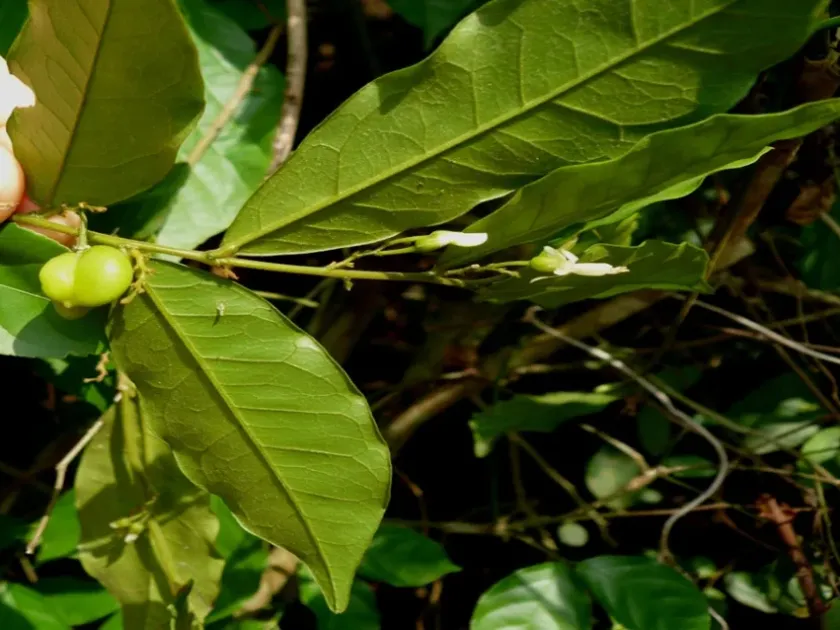
Description
Sowing dates
Propagation of Carpolobia lutea is typically achieved through seeds, which should be harvested when fully mature and sown promptly to maintain viability. The seeds require a warm, humid environment to break dormancy and ensure consistent germination rates.
The sowing medium should consist of a sterile, well-draining mixture of peat and perlite or coarse sand. Seeds are placed just below the surface and kept moist, ensuring that the container is placed in a warm area, ideally around 25-28 degrees Celsius.
Seedlings emerge within a few weeks and should be protected from direct sunlight initially to prevent scorching of the delicate foliage. As the plants develop their true leaves, they can be gradually exposed to more light in a nursery setting.
For vegetative propagation, semi-hardwood cuttings are taken during the active growing season. These cuttings are treated with rooting hormones and maintained in high-humidity conditions, such as a propagation tray with a clear dome, to facilitate root development.
Once the root system is well-established, young plants should be potted into larger containers using a nutrient-rich potting mix. Hardening off the plants before transferring them to their final planting location is crucial for survival.
Growing requirements
Carpolobia lutea, commonly known as the Cattle stick, belongs to the Polygalaceae family. It is a shrub or small tree native to the tropical forests of West and Central Africa, thriving in humid environments with high precipitation.
The plant performs best in acidic to neutral, well-drained soils that are rich in organic matter. Good drainage is essential, as the species is highly susceptible to root rot if the soil remains waterlogged for extended periods.
Regarding climate, Carpolobia lutea requires tropical temperatures, ideally between 20 and 30 degrees Celsius, and high atmospheric humidity. It is typically found growing in the understory of forests, preferring partial shade over direct, intense sunlight.
Regular irrigation is vital to mimic the plant's natural habitat. Using mulch around the base of the plant helps maintain soil moisture levels and reduces the frequency of manual weeding by suppressing unwanted vegetation.
Fertilization with a balanced, organic-based NPK fertilizer can enhance growth and flower production. However, caution should be exercised to avoid over-fertilization, which can cause leaf burn or salt accumulation in the root zone.
Main diseases and pests
Common threats to Carpolobia lutea include various fungal pathogens that flourish in high-humidity environments, particularly leaf spot diseases. These are often managed by ensuring proper airflow and spacing between plants.
Pests such as aphids and scale insects may infest the foliage, especially in greenhouse conditions. Early detection and the use of insecticidal soaps or neem oil are effective methods to control these populations without harming the plant.
Root rot, primarily caused by Phytophthora species, is a significant threat in areas with poor drainage. Proactive measures include proper site selection and avoiding excessive watering during cooler, overcast periods of the growing cycle.
Nematodes can sometimes pose a problem if the soil is not properly sterilized before planting. Integrating crop rotation or using nematode-suppressive green manures can mitigate this risk in larger commercial cultivation areas.
Standard monitoring of the plant's health, including regular inspection of both the upper and lower leaf surfaces, is necessary for effective disease management. Keeping the area free of debris further reduces the risk of pest habitat formation.
Harvesting
The harvest of Carpolobia lutea is primarily conducted for its medicinal bark, leaves, and roots. These parts are prized in traditional medicine for their therapeutic properties and contain various bioactive chemical compounds.
Harvesting leaves is generally done throughout the year as needed, while bark and roots are harvested during the dormant or slow-growth phases. Care must be taken to harvest sustainably, ensuring the plant can recover without being destroyed.
Once harvested, the material should be cleaned thoroughly to remove any soil or external contaminants. Drying is performed in shaded, well-ventilated areas to prevent the degradation of heat-sensitive active ingredients found in the tissues.
The dried products are then stored in airtight containers in a cool, dark environment to preserve their quality and potency. Proper documentation of harvest dates and storage conditions is essential for maintaining product standards.
In addition to medicinal use, the sturdy wood of the plant is sometimes utilized for local tool handles, reflecting its historical significance. Sustainable harvesting practices are vital to ensure the continued availability of this valuable biological resource.