
Carpolobia alba
Carpolobia alba
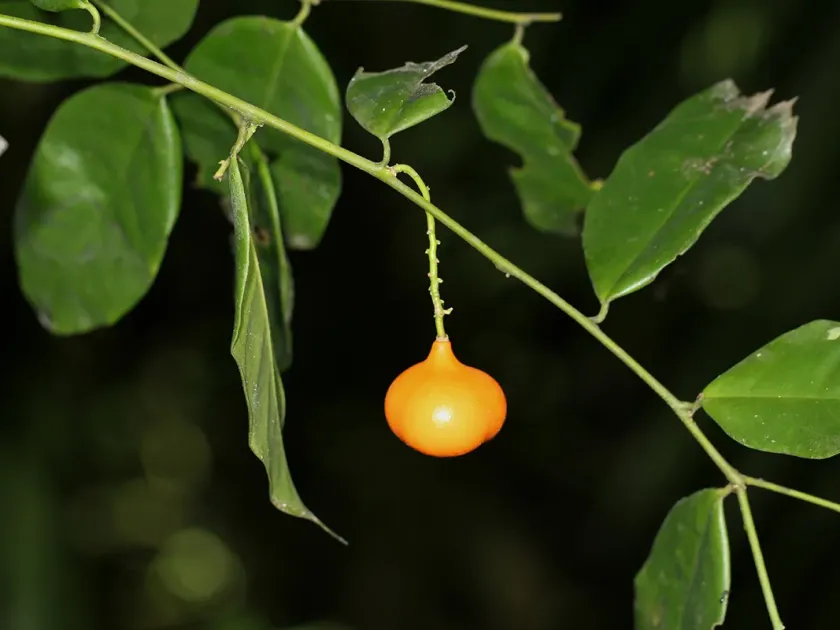
Description
Sowing dates
Carpolobia alba is propagated primarily through seeds or semi-hardwood cuttings. Seeds should be sown in well-draining soil, ensuring consistent moisture levels throughout the germination period to achieve optimal success.
The ideal time for sowing is the beginning of the rainy season, allowing seedlings to establish roots effectively in their natural environment. In controlled nursery conditions, keeping the soil temperature between 22–25 degrees Celsius is critical.
Cuttings are usually prepared at the end of the growth season, treated with rooting hormones, and placed in a humid environment. This method ensures the preservation of desirable characteristics from the parent plant.
Young seedlings require partial shade during the first weeks after planting to protect them from intense heat. Proper hardening off before transferring them to permanent locations increases survival rates.
Planting density in commercial operations is generally kept at 2500–3000 plants per hectare, which provides adequate space for canopy development and promotes healthy airflow within the field.
Growing requirements
Carpolobia alba is a shrub belonging to the Polygalaceae family, native to the tropical forests of West Africa. It thrives in fertile, well-aerated soils that are rich in organic matter and have a slightly acidic to neutral pH.
This species is light-loving but demonstrates adaptability to filtered sunlight in its younger stages. It requires consistent moisture, as it cannot tolerate prolonged periods of drought, which can lead to premature leaf drop.
The optimal temperature for growth ranges between 18 and 30 degrees Celsius. The plant is sensitive to cold winds and significant temperature fluctuations, which can stress the shrub and inhibit its development.
Agricultural maintenance includes consistent mulching of the base area to conserve moisture and regulate soil temperature. Regular applications of nitrogen-based fertilizers during the peak growth season enhance biomass production.
The shrub can reach a height of up to 5 meters. Its strong root system makes it useful for erosion control and establishing windbreaks in tropical climates, provided it receives sufficient water.
Yield
The economic value of Carpolobia alba is found in its roots and leaves, which are rich in bioactive compounds. Yields of herbal material are highly dependent on plantation management and soil quality.
The first harvest of root material usually occurs when the plants are 3–4 years old. Sustainable harvesting practices are essential to ensure that the plant retains its ability to regenerate after the root extraction.
Leaf harvesting can be performed multiple times throughout the year. Care should be taken to prune the shrub in a way that encourages new growth and maintains the overall vitality of the plant.
The annual yield of dried material per hectare varies based on regional soil fertility and maintenance quality. With proper input and care, consistent outputs of high-quality raw material can be achieved.
Mechanization of weed control and inter-row maintenance is recommended to optimize labor costs and ensure that nutrients are directed toward the growth of the crop rather than competing vegetation.
Main diseases and pests
The primary threats to Carpolobia alba include fungal root infections caused by waterlogging or poor soil drainage. Such conditions lead to root rot, significantly reducing the overall health and vitality of the plantation.
Pests such as aphids and spider mites can infest young shoots, causing leaf curling and stunted growth. Frequent monitoring and the application of organic control agents are necessary to prevent widespread outbreaks.
Bacterial leaf spots can emerge during seasons of high humidity and rainfall. Removing infected foliage and improving the airflow between plants are effective strategies for managing these outbreaks.
Dense planting without adequate ventilation increases the risk of pathogenic growth. Proper pruning and spacing are essential to maintain a healthy environment that limits the proliferation of harmful fungi.
Weeds compete aggressively for nutrients and space during the establishment phase. Maintaining a weed-free area around the base of each shrub is crucial for ensuring vigorous plant development.