
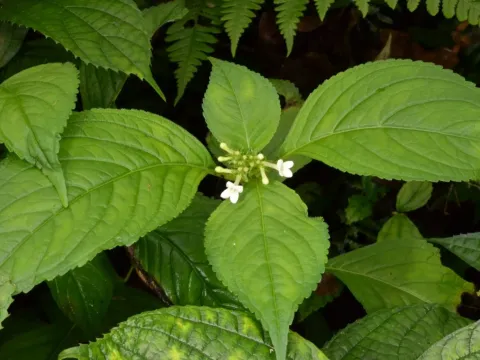
Carlemannia
Carlemannia
The genus Carlemannia is a small group of tropical perennial plants belonging to the family Carlemanniaceae. These plants are native to the moist, shaded forest understories of South and Southeast Asia, spanning regions from the Himalayas to Southern China.
What the section contains

Carlemannia
Cultivating Carlemannia requires conditions that mimic its native tropical habitat. It thrives in shaded areas where sunlight is filtered, as intense direct exposure can cause significant foliage damage and weaken the plant's overall health and development cycle.
The soil requirements for this genus focus on a well-draining, humus-rich substrate that retains sufficient moisture without becoming waterlogged. Maintaining a consistent high humidity level is crucial for the vitality of the plant, especially in indoor or greenhouse settings.
Botanically, Carlemannia is characterized by its opposite, serrated leaves and relatively delicate stems. Its floral structure is distinct, often used by taxonomists to identify its unique position within the broader order of Lamiales, distinguishing it from related garden families.
In terms of agricultural or economic usage, Carlemannia is primarily cultivated for scientific interest and as an ornamental novelty in botanical gardens. Its specialized climate needs mean it is not currently grown as a widespread commercial crop in general agriculture.
Pathological threats to Carlemannia primarily involve fungal infections resulting from poor ventilation and excessive soil moisture. Root rot is the most common issue, often leading to rapid decline if environmental controls are not strictly managed by the cultivator.
Insect pests such as spider mites and mealybugs can pose a threat, particularly in enclosed greenhouse environments. Integrated pest management, focusing on maintaining humidity and early detection, is the recommended strategy for protecting these delicate plants.