
Capnophyllum africanum
Capnophyllum africanum
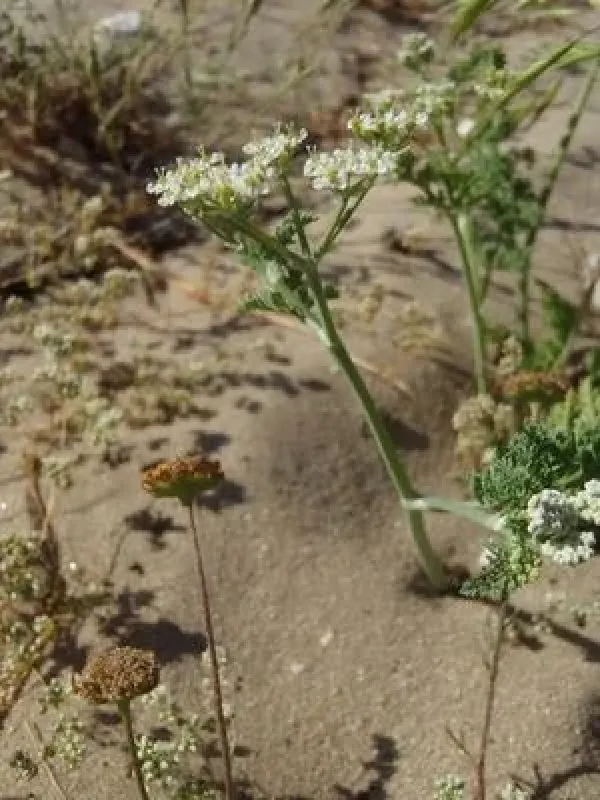
Description
Sowing dates
Capnophyllum africanum is a member of the Apiaceae family, characterized by specific environmental needs that define its agricultural cycle.
Sowing should ideally take place in early spring after the risk of frost has passed, ensuring the soil has reached an optimal temperature for germination.
Seeds are sown at a shallow depth, usually not exceeding 2 cm, as they require light and sufficient warmth to successfully emerge from the soil.
Consistent seedbed preparation is vital, ensuring a fine, level soil structure to facilitate uniform germination across the entire field.
Spacing between rows should be maintained to ensure proper airflow and light penetration, which are critical for healthy plant development.
Growing requirements
The crop thrives in temperate climates, requiring significant sunlight exposure throughout its growth period to maximize yield quality.
Well-drained soils are essential; the crop is susceptible to root rot if water stagnation occurs, making site selection a priority for agronomists.
The plants exhibit moderate nutrient requirements, benefiting from balanced fertilization regimes that promote both vegetative and reproductive growth.
Regular maintenance, including mechanical weeding between rows, is necessary to minimize competition for nutrients and soil moisture.
Environmental conditions such as wind protection can significantly influence the structural integrity of the flower heads during the blooming phase.
Main diseases and pests
Common agricultural pests for this species include aphids and specific larvae that target the umbrella-shaped flowers characteristic of the Apiaceae family.
Fungal pathogens such as powdery mildew may develop if humidity levels remain too high or if plants are spaced too closely, limiting ventilation.
Effective disease control involves crop rotation, which breaks the lifecycle of soil-borne pathogens and helps maintain soil health over time.
Regular scouting of the field is recommended to identify pest infestations early, allowing for targeted interventions instead of widespread chemical use.
Integrated pest management strategies are preferred to ensure the sustainability of the production process while protecting the crop's yield potential.
Harvesting
Harvesting timing is critical, usually conducted when the plants reach the peak of their physiological maturity to ensure the best quality.
The collection process must be handled with care to prevent shattering of the seeds or physical damage to the floral parts, depending on the end-use.
Post-harvest handling requires rapid drying in controlled, low-temperature environments to preserve volatile oils and nutritional components.
Cleaning and grading of the harvest are essential steps to ensure that the final product meets the standards required for market distribution.
Storage should be conducted in climate-controlled facilities with low humidity levels to prevent degradation and maintain the crop's economic value.