
Canthiumera robusta
Canthiumera robusta
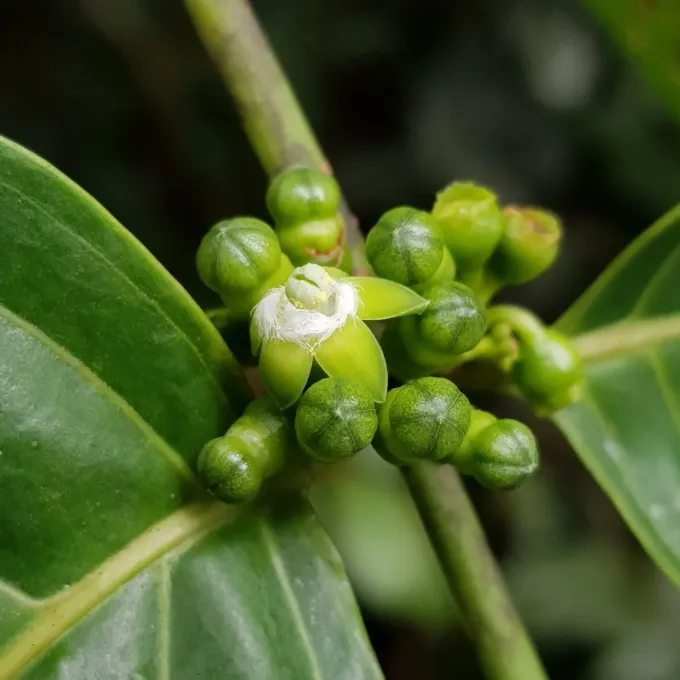
Description
Growing requirements
Canthiumera robusta is a distinctive plant species belonging to the Rubiaceae family. Characterized by its robust woody growth, this plant is an essential subject for botanical studies and specific tropical cultivation systems.
The native range of this species is located in the tropical regions of Africa. It thrives in high-humidity environments, necessitating stable temperatures and consistent environmental conditions to ensure optimal plant development throughout its lifecycle.
Concerning soil requirements, the plant prefers fertile and well-drained soil types. Proper drainage is crucial to prevent root zone saturation, while sufficient organic matter ensures that the plant receives necessary nutrients for healthy growth.
Management practices for this crop focus on irrigation control, especially during dry seasons. Regular soil monitoring and the application of balanced organic fertilizers are highly recommended to sustain vigorous vegetative production and strengthen the plant structure.
The хозяйственное usage is primarily focused on ornamental forestry and local economic activities. Due to its unique biological structure, it is also highly regarded for its adaptability within its native agro-ecological niche.
Main diseases and pests
Major threats to Canthiumera robusta include various fungal infections, particularly those affecting the root system. Proper site preparation and soil management are key strategies to prevent the onset of these pathological conditions.
Pests such as foliage-damaging insects represent a significant threat to young specimens. Implementing a routine monitoring program is vital for detecting infestations early, allowing for timely intervention and crop protection within the field.