
Canistrum lindenii
Canistrum lindenii
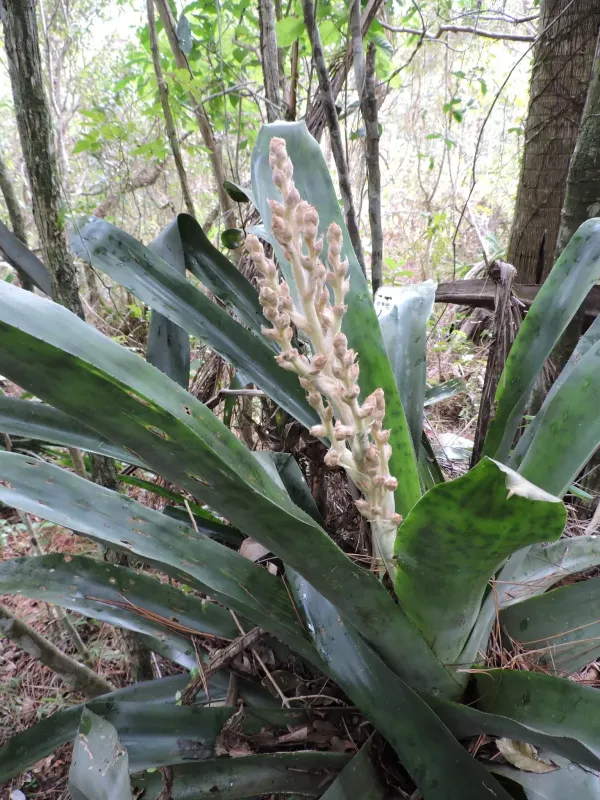
Description
Growing requirements
Canistrum lindenii is a tropical perennial plant belonging to the Bromeliaceae family. Native to the Atlantic forests of Brazil, it is naturally adapted to an epiphytic lifestyle, typically growing in the shade of tree canopies where humidity remains consistently high.
Successful cultivation requires a bright, indirect light exposure. Harsh direct sunlight will bleach the leaves and damage the plant's aesthetic quality. The ideal temperature range for this species is between 20°C and 25°C, ensuring the plant never faces temperatures below 15°C.
Humidity management is vital, as this plant thrives in moisture-rich environments. Maintaining a humidity level of at least 60% is essential for healthy growth, often requiring misting or the use of localized humidification systems to keep the leaf rosettes in peak condition.
The substrate must be exceptionally well-draining, mimicking the forest litter of its natural habitat. A professional-grade mix for epiphytes—incorporating orchid bark, perlite, and coarse peat moss—is recommended to prevent root suffocation and ensure healthy gas exchange.
Agronomic practices include proper irrigation, which should focus on filling the central tank of the rosette with fresh, soft water. Periodic flushing of the tank is recommended to avoid salt buildup and the stagnation of debris, which can lead to bacterial decay.
Main diseases and pests
The most common pests affecting Canistrum lindenii are mealybugs and scale insects. These pests cluster in the tight leaf axils, making manual removal difficult. Growers should utilize systemic insecticides or neem oil treatments to effectively manage infestations during the early stages.
Root rot and crown rot represent the primary pathological risks for this species. These issues are almost exclusively caused by overwatering or poor drainage. Maintaining a strict schedule for watering and ensuring the soil surface dries out slightly between applications is the best prevention.