
Canella winterana
Canella winterana
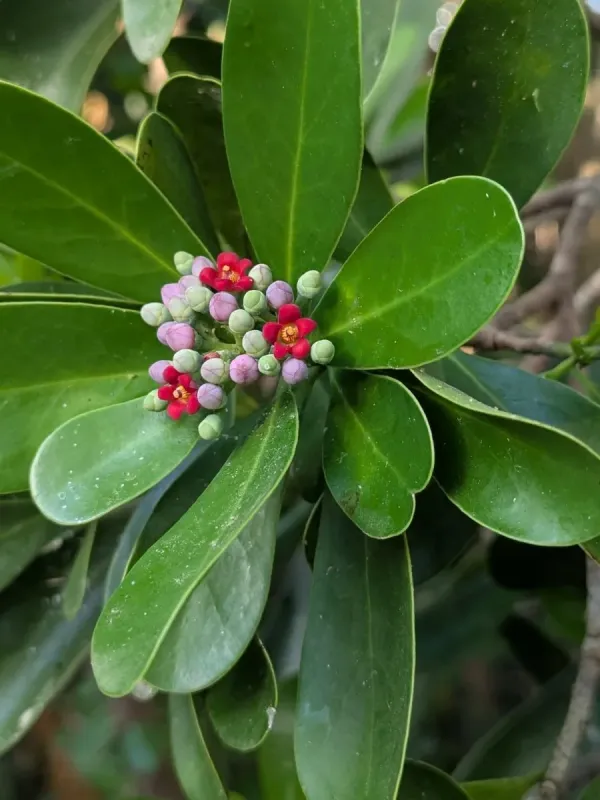
Description
Sowing dates
Canella winterana is typically propagated through seeds, which should be sown in a well-draining, nutrient-rich potting medium.
Fresh seeds offer higher germination rates; they should be cleaned of fruit pulp and planted shortly after harvest to maintain viability.
In nurseries, maintaining a consistent temperature between 24 and 28 degrees Celsius is crucial for the development of healthy seedlings.
Vegetative propagation via cuttings is possible but requires high humidity and rooting hormones to ensure successful establishment.
Young plants are moved to the field once they reach a height of 30-50 centimeters and have developed a strong, resilient root system.
Growing requirements
This evergreen tree belongs to the Canellaceae family and thrives in tropical climates characterized by warm temperatures year-round.
It prefers porous, calcareous, or rocky soils that provide excellent drainage, preventing the waterlogging that is detrimental to its health.
The tree is naturally adapted to coastal environments, demonstrating high tolerance to saline winds and salt-sprayed soil conditions.
Full sun exposure is preferred for maximum growth, although partial shade can be tolerated by seedlings during their early developmental stages.
Adequate spacing between trees is essential to ensure proper air circulation, which helps maintain the tree's health and reduces disease risk.
Main diseases and pests
Root rot, caused by various soil-borne fungi during periods of excessive rainfall, remains the most significant threat to Canella winterana.
Common pests such as scale insects and mealybugs can infest the foliage and stems, causing yellowing and stunted growth if left untreated.
Leaf-feeding beetles may cause significant aesthetic damage, though they are rarely fatal to healthy, mature trees in natural ecosystems.
Implementing integrated pest management practices, such as pruning affected branches and using mild soaps, helps control infestations effectively.
Proper water management is the primary defense against most diseases, as it prevents the environment required for fungal spore proliferation.
Harvesting
The commercial harvest centers on the tree's aromatic bark, which is highly valued for its use as a spice and in medicinal applications.
Harvesters carefully strip portions of the outer bark from the branches, ensuring the underlying cambium layer remains intact for regeneration.
Harvested bark is air-dried in cool, shaded areas to preserve the integrity of its volatile oils, which contain the characteristic pungent flavor.
Berries produced by the tree are collected primarily for seed extraction to support ongoing propagation and forest restoration projects.
Sustainable harvesting techniques are essential to maintain tree health and ensure long-term productivity of the plantation or wild stands.