
Ylang-ylang
Cananga odorata (Lam.) Hook. f. & Thomson
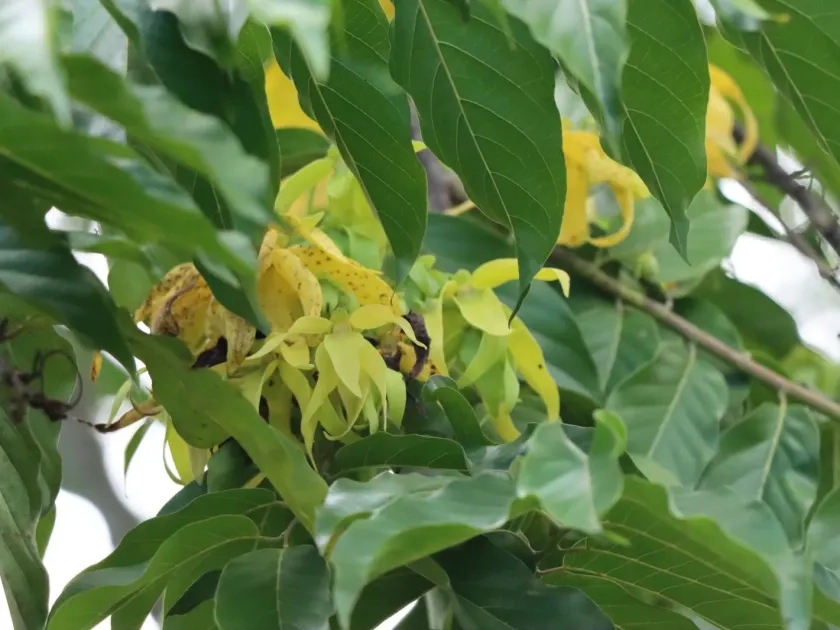
Description
Growing requirements
Ylang-ylang (Cananga odorata) is a fast-growing evergreen tree belonging to the Annonaceae family. In the wild, these trees can reach heights of up to 30 meters, but in commercial plantations, they are regularly pruned to maintain a height of 2–3 meters for efficient flower harvesting.
This crop is a quintessential tropical plant, requiring high air humidity and consistently warm temperatures. The optimal growth range for Ylang-ylang is between +20°C and +30°C. The tree is extremely sensitive to frost and strong winds, which limits its cultivation to tropical regions.
Ylang-ylang thrives in well-drained, fertile loamy soils with a neutral or slightly acidic pH level. The plant is intolerant to waterlogged soil conditions; therefore, an effective drainage system is essential to prevent root rot and ensure the long-term health of the plantation.
Agricultural practices involve regular fertilization with both organic and mineral nutrients, especially during the active growing season. During the early stages of development, young seedlings require partial shading to protect them from excessive direct sunlight, which can cause leaf scorch and stunt growth.
Commercial utilization of the crop focuses on the production of its valuable essential oil, used extensively in the perfume and aromatherapy industries. The oil is extracted through the distillation of freshly picked flowers, with final quality dependent on harvesting timing and fermentation conditions.
Main diseases and pests
Ylang-ylang is susceptible to several pests common in tropical agriculture. Scales and mealybugs are among the most dangerous, as they feed on the sap of young shoots, weakening the tree and promoting the development of sooty mold due to their sugary excretions.
Effective disease control involves regular scouting of the plantation and the use of biological control agents. Prevention strategies focus on maintaining optimal tree spacing to ensure good airflow through the canopy, which significantly reduces the incidence of fungal pathogens.
Root rot represents a severe threat when water management is poor or if trees are planted in heavy, poorly drained soil. Infested trees should be immediately removed and destroyed to prevent the soil-borne pathogen from spreading to neighboring healthy trees.
In high-humidity climates, leaf spot diseases caused by anthracnose can occur. Keeping the area under the tree canopy clean of fallen leaves and debris is a simple yet effective method to break the life cycle of various pathogens affecting the tree leaves and flowers.
To minimize yield loss, an integrated pest management (IPM) approach is recommended. This combines mechanical methods, such as timely pruning and canopy thinning, with the selective use of approved insecticides in accordance with international safety and environmental regulations.
Harvesting
Harvesting is the most labor-intensive process in Ylang-ylang farming. The flowers must be picked by hand during early morning hours when the concentration of essential oils in the petals is at its peak. Any delay in harvesting leads to a significant decrease in oil quality and yield.
The tree flowers almost year-round, though peak budding usually occurs during the rainy seasons. Workers carefully pluck the yellow, fully mature flowers, taking care to avoid damaging the delicate flower buds and the woody branches that will produce the next harvest.
Once collected, the raw material must be transported to the processing facility as quickly as possible. The ideal distillation period is within 12 to 24 hours of harvesting, as the volatile essential oils begin to evaporate or degrade shortly after the flowers are removed from the tree.
The productivity of an adult tree varies based on age and management practices. On average, a well-maintained plantation can yield between 50 and 100 kilograms of essential oil per hectare annually, provided that the harvesting schedule is strictly adhered to throughout the flowering cycle.
Harvesting technology also incorporates periodic sanitary pruning once the major flowering flush is completed. This practice is crucial for stimulating the growth of new productive shoots and removing dead wood that might harbor pests or diseases within the tree canopy.