
Camptorrhiza strumosa
Camptorrhiza strumosa
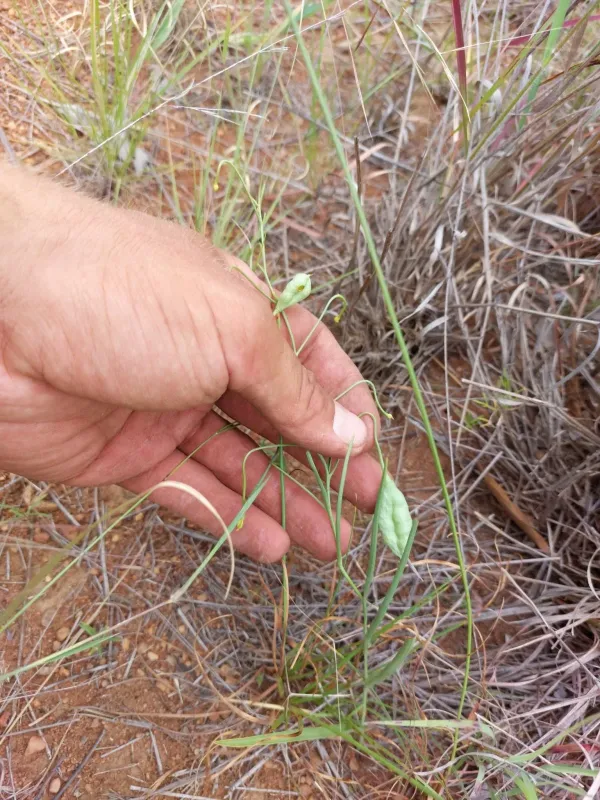
Description
Growing requirements
Camptorrhiza strumosa is a fascinating perennial herb belonging to the Colchicaceae family. It is a highly specialized plant native to the southern and tropical regions of Africa, where it has evolved to survive in specific, often harsh environmental niches.
The plant is geophytic, possessing a bulb-like structure (corm) that stores water and nutrients. Its foliage is generally sparse, consisting of narrow leaves that sprout from the subterranean corm, and the plant remains relatively low-growing throughout its life cycle.
To cultivate Camptorrhiza strumosa successfully, one must replicate its natural preference for gritty, well-draining soils. A substrate composed primarily of mineral components such as sand, perlite, and fine gravel is essential to prevent moisture accumulation around the corm.
Climate requirements include a warm, frost-free environment. Because this plant originates from African regions, it is not cold-hardy and requires specialized care in temperate climates, usually involving greenhouse conditions or indoor cultivation throughout the year.
Lighting should be bright but filtered. In its natural habitat, the plant is often protected by other vegetation or rocks, suggesting that it thrives best when receiving indirect light that prevents leaf scorching while providing enough energy for periodic growth spurts.
Main diseases and pests
The primary threat to Camptorrhiza strumosa is rot caused by pathogenic fungi, which thrives in overly damp environments or when the drainage system of the planting medium fails to function correctly.
Root system vulnerability is a hallmark of this species, requiring a delicate balance during watering schedules. Over-watering, especially during the plant's dormant phase, is almost invariably fatal as it triggers rapid corm decay.
In terms of pests, indoor specimens are prone to infestations of sap-sucking insects such as mealybugs and spider mites. These pests hide in the crevices of the foliage and can quickly weaken the plant if left unchecked.
Management of these threats involves constant vigilance and the application of pest control measures that do not involve heavy application of oil-based pesticides, which can harm the plant's sensitive tissues.
Maintaining a clean growing area and ensuring consistent air circulation are critical cultural practices that reduce the overall pressure from pests and pathogens, thereby extending the lifespan of the specimens.