
Camassia leichtlinii
Camassia leichtlinii (Baker) S. Watson
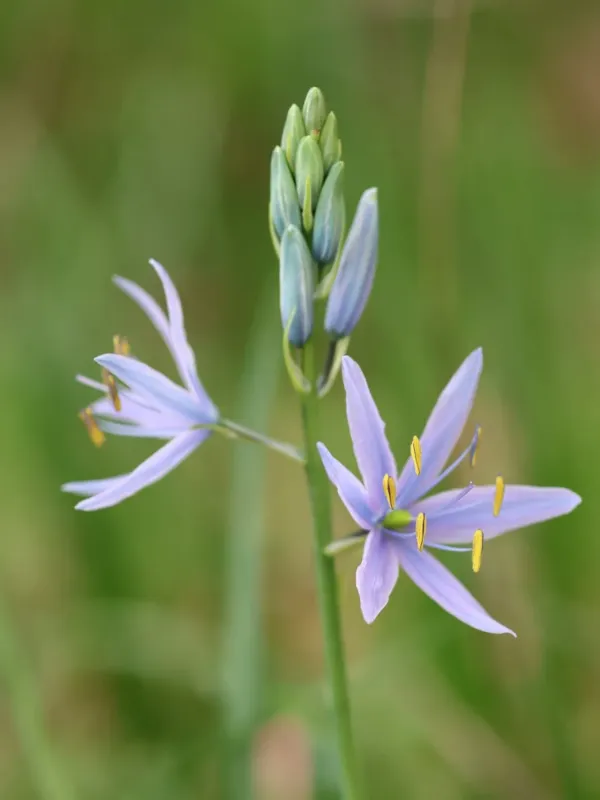
Description
Sowing dates
Planting of Camassia leichtlinii bulbs should be done in the autumn, typically between late August and October. This timing ensures that the bulbs establish a strong root system before the onset of winter dormancy.
The bulbs should be planted at a depth of 10–15 centimeters, ensuring they are placed firmly in the soil. Proper spacing, generally about 15–20 centimeters apart, is essential to avoid overcrowding as the bulbs multiply over time.
Vegetative propagation is achieved by lifting the clumps every four to five years during the summer dormancy. The offsets, or daughter bulbs, are carefully separated and replanted in prepared beds to mature.
Seed propagation is also possible but requires a period of cold stratification to break dormancy. Seeds are usually sown in outdoor containers or directly into the soil in late autumn for spring germination.
As a member of the Asparagaceae family, this perennial is robust and cold-hardy. However, in regions with harsh winters, a layer of mulch is highly recommended to protect the bulbs from extreme temperature fluctuations.
Growing requirements
Camassia leichtlinii thrives in positions ranging from full sun to partial shade. In areas with intense summer heat, light afternoon shade is preferred to prevent the foliage from scorching too early.
The soil must be fertile, rich in organic matter, and provide excellent drainage. These plants are sensitive to waterlogged conditions, which often cause the bulbs to rot during the winter dormant season.
A neutral to slightly acidic soil pH is ideal for optimal nutrient absorption. Amending heavy clay soils with compost or coarse sand significantly improves the growing conditions for the root system.
Consistent moisture is required during the active growing phase in spring. Once the flowers fade and the foliage begins to yellow, the plants prefer drier conditions, which allows the bulbs to ripen properly.
Weed management is necessary to prevent competition for nutrients and water. Regular hoeing and the application of organic mulch help maintain a healthy environment for the bulbs throughout the growing season.
Main diseases and pests
Soil-dwelling pests like wireworms and onion flies can damage the bulb basal plates. Preventive treatments with appropriate soil insecticides are often necessary in infested areas to protect the planting stock.
Fungal diseases, including Fusarium and botrytis, are the most significant threats to Camassia. These usually develop in soils with poor drainage, making proper site selection the best defense.
Slugs and snails can cause cosmetic damage to the leaves during damp spring weather. Integrated management using physical barriers or organic baits is effective in minimizing the impact of these mollusks.
Viral infections can cause yellow streaking or mosaic patterns on the foliage. Since there is no cure, affected plants must be culled immediately to prevent the spread of the virus by sap-sucking insects.
Sanitation practices, such as removing dead foliage and avoiding over-fertilization with nitrogen in the late season, are key to maintaining long-term health and vigor in the plant population.
Harvesting
The harvest or lifting of the bulbs for trade or division should occur after the foliage has turned completely brown. This typically happens by late July, signaling that the bulb has stored enough energy.
After lifting, bulbs must be cleaned of soil and debris, then cured in a cool, dry, and well-ventilated location. Proper curing prevents moisture-related storage issues and promotes a longer dormancy.
Bulbs are stored in breathable containers, such as wooden crates or mesh bags, at temperatures between 15 and 18 degrees Celsius. This ensures they remain healthy until the next planting cycle.
In terms of economic use, Camassia leichtlinii is prized for its long-lasting spikes in cut flower arrangements and its landscape value in naturalistic or woodland garden settings.
Successful commercial production relies on maintaining uniform bulb sizes and ensuring the absence of pathogens. High-quality bulbs produce multiple flower spikes, increasing their value in the ornamental plant market.