
Calophyllum tacamahaca
Calophyllum tacamahaca
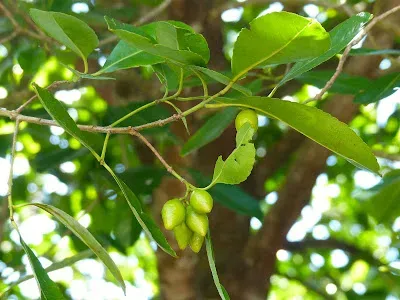
Description
Growing requirements
Calophyllum tacamahaca is a majestic evergreen tree belonging to the Clusiaceae family. It is native to the tropical regions of the Indian Ocean, specifically thriving in the coastal and inland forests of Madagascar and nearby islands, where the climate is consistently warm and humid.
The species requires a tropical climate with no frost tolerance, preferring temperatures ranging between 22°C and 30°C throughout the year. High atmospheric humidity is essential for the tree's physiological processes, making it unsuitable for drier, temperate climates.
Soil requirements involve deep, fertile, and well-drained grounds. While the tree appreciates moisture, waterlogging is detrimental to the root system, so proper soil drainage is a critical prerequisite for plantation success.
Young trees require partial shading during their initial years to prevent desiccation and heat stress. As they mature, they become more resilient to direct sunlight and can form part of the upper forest canopy in controlled agroforestry systems.
Agrotechnical practices include maintaining a layer of organic mulch around the base of the trees to preserve moisture and enhance soil fertility. Periodic fertilization with balanced nutrients helps ensure healthy foliage development and robust wood formation.
Yield
The primary agricultural output of Calophyllum tacamahaca is its premium-quality timber. It is highly valued in the industry for its density, durability, and resistance to decay, making it a preferred choice for boat building and fine furniture.
The seeds are another valuable commodity, containing high-quality fats and oils. These substances are widely processed for use in the cosmetic industry, specifically for dermatological applications due to their soothing and regenerative properties.
Yields are typically realized after the trees reach maturity, often starting from the second decade of growth. Effective plantation management can optimize the harvest volume of both seeds and timber through consistent pruning and thinning.
The resin, known as tacamahaca, is harvested from the bark. It holds significant market value in the fragrance and pharmaceutical industries, providing an additional revenue stream during the long growth cycle of the trees.
Sustainable harvesting techniques ensure that the tree continues to produce resources over several decades. Integrating these diverse products maximizes the economic viability of the agricultural operation.
Main diseases and pests
Root rot, caused by excessive moisture and poor soil aeration, is the most common health challenge for this species. Preventing water accumulation around the trunk is the primary strategy to avoid fungal pathogens.
Wood-boring insects present a significant threat to timber plantations, as they can compromise the structural integrity and value of the wood. Monitoring for holes or frass on the trunk is crucial for early detection of these pests.
- Implementing strict quarantine protocols for imported plant material.
- Maintaining optimal spacing to ensure airflow and reduce humidity levels.
- Using environmentally friendly biological agents to manage pest populations effectively.
Nutritional balance through proper fertilization helps the trees maintain a natural defense mechanism against common environmental stresses. A proactive approach to plant health is essential to minimize the risks associated with tropical pathogens.