
Calophyllum sclerophyllum
Calophyllum sclerophyllum
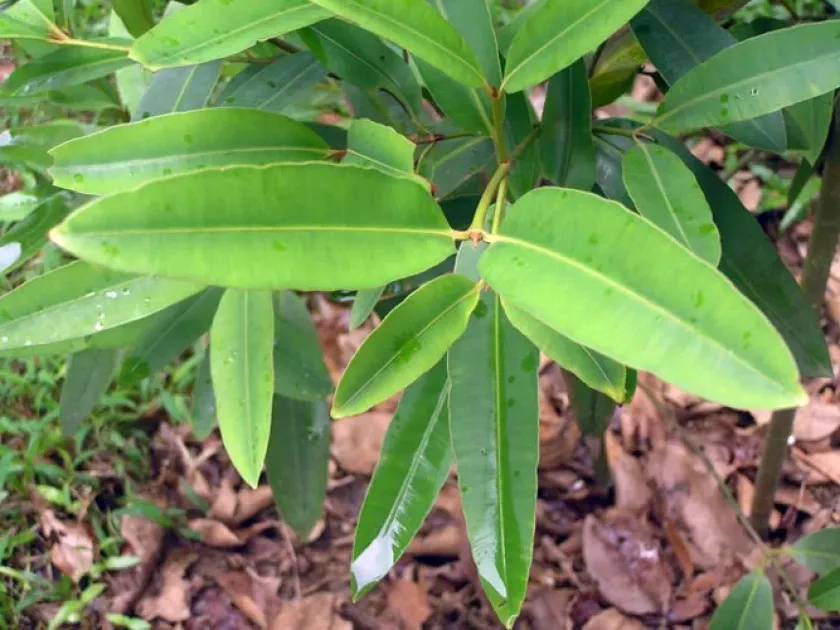
Description
Growing requirements
Calophyllum sclerophyllum is a hardy evergreen tree species belonging to the Clusiaceae family. It is native to tropical habitats and is well-known for its ability to thrive in challenging environments like peat swamp forests.
The plant requires specific environmental conditions to achieve maximum growth potential, primarily high annual rainfall and consistent tropical temperatures that do not fluctuate significantly throughout the seasons.
Regarding soil requirements, this species is highly specialized to cope with acidic, waterlogged, and peat-rich soils. It utilizes unique root adaptations to extract nutrients in environments that would be detrimental to many other woody plants.
Successful cultivation involves maintaining a dense canopy during the early stages of plant development to provide necessary shade and protect the saplings from direct sunlight and environmental stress.
Soil management should focus on preserving the natural moisture levels of the site, as even short periods of drought can hinder the development of root systems in this moisture-loving tropical tree.
Harvesting
The primary economic value of Calophyllum sclerophyllum lies in its high-quality timber. The wood is renowned for its durability and aesthetic appeal, making it a desirable material for various construction purposes.
It is widely used in the manufacturing of furniture and cabinetry, as well as in outdoor construction where wood resistance to environmental decay is a critical factor for structural integrity.
Beyond its traditional use as timber, current research is looking into the phytochemical profile of the tree to identify potential applications in pharmaceutical and sustainable chemical industries.
Timber harvesting operations are conducted under strict regulatory guidelines to ensure the sustainability of the forest patches and to prevent over-exploitation of the natural population.
The processing of the harvested wood involves sophisticated drying and finishing techniques, ensuring that the final material retains its natural resilience and meets the specific demands of the global market.