
Calophyllum pulcherrimum
Calophyllum pulcherrimum
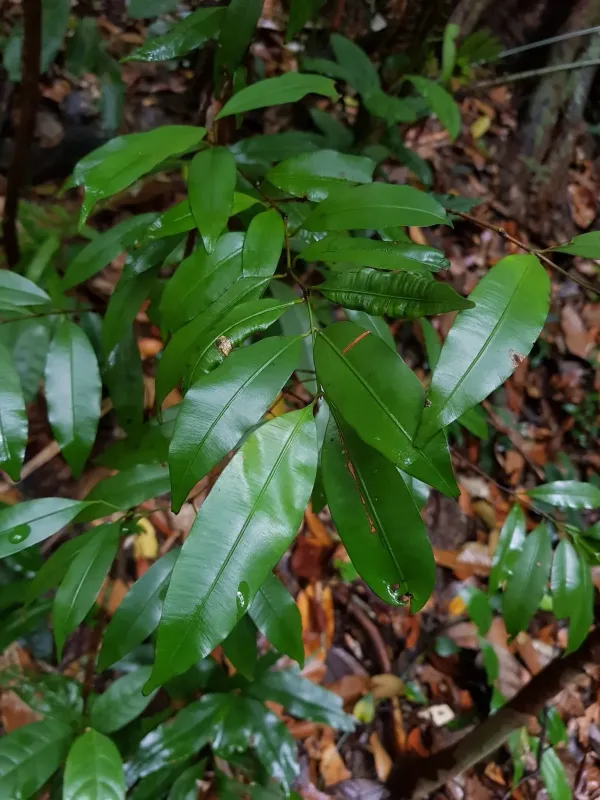
Description
Growing requirements
Calophyllum pulcherrimum belongs to the Clusiaceae family. This evergreen tropical tree is native to the lowland rainforests of Southeast Asia, thriving in regions with high precipitation and stable warm conditions.
The species requires a tropical climate with temperatures consistently ranging between +24°C and +30°C. It is highly sensitive to cold spells and does not tolerate frost, making it suitable only for tropical or subtropical cultivation.
Successful growth depends on deep, well-draining soils rich in organic matter. While the tree appreciates consistent soil moisture, it cannot withstand waterlogging, which often leads to root rot in young seedlings.
High relative humidity, typically above 70%, is essential for the tree's physiological processes. In areas where dry seasons are prevalent, regular irrigation is mandatory to maintain the plant's health and growth rate.
The tree exhibits characteristic leathery leaves with parallel venation, a distinct feature of the Calophyllum genus. It generally develops a straight, robust trunk, making it a valuable candidate for silvicultural practices in tropical zones.
Yield
The primary economic use of Calophyllum pulcherrimum is timber production. The wood is prized for its density, durability, and resistance to environmental stress, making it ideal for construction and joinery.
In the furniture industry, this timber is highly sought after for its ability to hold intricate shapes and its fine finish. It is often utilized in high-end cabinetry and custom woodworking projects.
Research into the biochemical properties of the tree indicates that its bark and seed oil contain various bioactive compounds. These findings suggest potential future applications in pharmaceutical and chemical industries.
Silvicultural management requires long-term cycles, as the tree exhibits a moderate to slow growth rate. Sustainable management practices are crucial to ensure a steady supply of timber without degrading forest ecosystems.
As a native component of tropical rainforests, this species plays a vital role in ecological stability, supporting diverse local fauna and acting as a carbon sink in reforestation initiatives.
Main diseases and pests
Root rot caused by fungal pathogens is the most significant threat to Calophyllum pulcherrimum in nurseries. Ensuring proper soil drainage and avoiding over-irrigation are key preventative management strategies.
Leaf-eating insects and certain types of beetles can pose challenges in the seedling stage. Integrated pest management (IPM) is recommended to minimize leaf damage and ensure healthy development of the canopy.
The accumulation of epiphytes and parasitic vines on the trunk and branches of mature trees can interfere with growth and photosynthesis, requiring regular site maintenance and cleaning.
Environmental stress, particularly prolonged droughts, can weaken the tree's natural defenses, making it more susceptible to opportunistic infections. Mulching can help retain soil moisture during less rainy periods.
Regular health monitoring is essential for identifying early symptoms of nutrient deficiencies or pathological shifts in the stand. Proactive agronomic intervention is the best approach to maintaining a healthy plantation.