
Calophyllum papuanum
Calophyllum papuanum
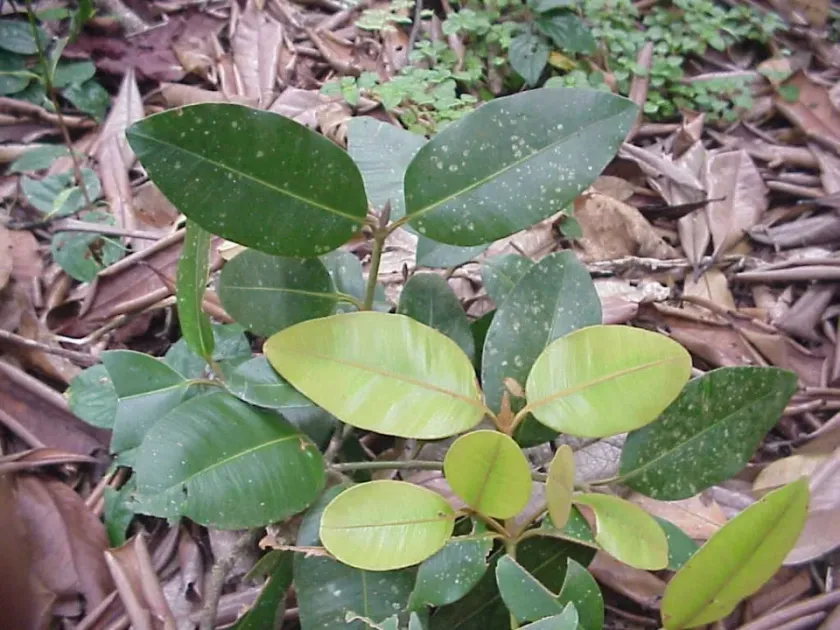
Description
Growing requirements
Calophyllum papuanum belongs to the Clusiaceae family and is a characteristic species of tropical rainforests. In its natural habitat, the tree thrives in moist environments with well-drained soils, typically found in lowland forest ecosystems.
Optimal growth requires consistently high temperatures and the absence of a severe dry season. Intense sunlight during the sapling stage can be detrimental, so the species often demonstrates superior development when grown under partial shade during its initial years.
The soil profile must be rich in organic matter, capable of retaining moisture while maintaining adequate aeration. The root system is known to be sensitive to soil compaction, which necessitates careful site preparation for forest plantations.
Cultivation practices involve continuous monitoring of seedling health in nurseries and timely weeding. When managed correctly in its native range, the tree matures into a straight, high-quality timber species, valued for its structural properties.
The economic utilization of this species centers on the production of high-grade lumber. The timber, marketed under the general name "Bintangor," is prized for its durability and aesthetic appeal, making it a preferred material for high-end furniture and interior finishing.
Main diseases and pests
Common threats to these plantations include trunk-boring insects, which can severely damage the wood if trees are stressed or poorly maintained. Additionally, root rot caused by fungal pathogens can develop in areas with poor drainage or chronic waterlogging.