
Calophyllum grandiflorum
Calophyllum grandiflorum
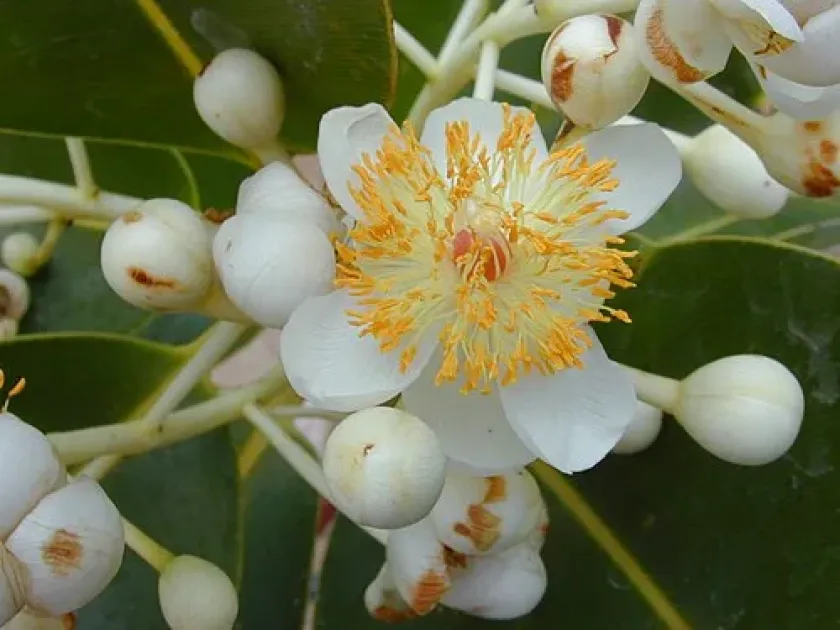
Description
Growing requirements
Calophyllum grandiflorum is a notable species within the Clusiaceae family. This evergreen tree is native to the tropical rainforests of Southeast Asia, where it plays a significant role in forest structural integrity and biodiversity.
The species requires a strictly tropical environment with high humidity and stable annual temperatures. It is highly sensitive to cold and thrives best in zones where temperatures remain consistently between 22 and 30 degrees Celsius.
Soil requirements for optimal growth include well-drained, nutrient-rich substrates. While the plant appreciates moisture, it is imperative to avoid waterlogged conditions, which can lead to rapid root decay and stunted development of the saplings.
Cultivation practices involve proper spacing in plantation setups to ensure canopy development and air circulation. In its natural habitat, the tree contributes to forest productivity, and in managed settings, it requires meticulous weed control during the establishment phase.
Economically, this tree is primarily valued for its timber, which is dense and durable. The wood is often harvested for construction purposes, furniture making, and local artisan crafts, making it a valuable resource for sustainable agroforestry projects.
Main diseases and pests
The most significant threats to the species include fungal root pathogens, which are often exacerbated by poor drainage in managed plantations. Stem rot is another potential issue in areas with excessively stagnant air and high moisture levels.
Common insect pests include wood-boring beetles that can damage the tree's internal vascular structure. Integrated pest management strategies, focusing on site sanitation and biological control, are essential to minimize damage and ensure wood quality.