
Cape chestnut
Calodendrum capense
Description
Sowing dates
The propagation of the Cape chestnut is primarily achieved through seeds. Fresh seeds possess high germination rates, but they often benefit from a 24-hour soaking in warm water to soften the hard outer seed coat before planting.
The ideal time for sowing is during early spring, when the increasing day length and temperature promote healthy seedling development. Seeds should be sown in a well-draining, fertile soil mix at a depth of about 1 to 2 centimeters.
A consistent temperature between 20 and 25 degrees Celsius is required for successful germination. It is crucial to maintain moderate soil moisture levels throughout the process, ensuring the substrate does not become waterlogged.
Seedlings usually emerge within 4 to 8 weeks, depending on the age of the seeds and environmental conditions. Once the first true leaves have developed, young plants should be transplanted into individual containers.
While vegetative propagation through cuttings is technically possible, it is significantly more challenging due to low success rates. Therefore, seed-based propagation is considered the standard method for this species.
Growing requirements
Calodendrum capense belongs to the Rutaceae family and is native to the forests and riverine areas of Southern Africa. It thrives best in deep, fertile, and well-drained soils with a neutral or slightly acidic pH level.
This species is highly heat-loving and sensitive to severe frost. It requires a sunny, open location that is protected from strong, drying winds which can damage its delicate branches and showy floral displays.
In cooler climates, the Cape chestnut is often grown in large containers, allowing it to be moved to a greenhouse or indoors during winter. Adult trees show some drought tolerance, but regular watering is necessary during active growth.
Applying organic or balanced mineral fertilizers in the early spring encourages vigorous growth and enhances the quality of the blossoms. Consistent care helps the tree reach its full decorative potential.
Pruning should be performed to shape the canopy and maintain a healthy structure. Given its relatively slow growth rate, maintenance pruning is minimal, focusing mostly on removing dead or crossing branches.
Yield
The Cape chestnut is cultivated primarily as an ornamental plant, thus it is not an agricultural commodity in the traditional sense of yield. Its primary value lies in its aesthetic beauty and its role in landscaping as a specimen tree.
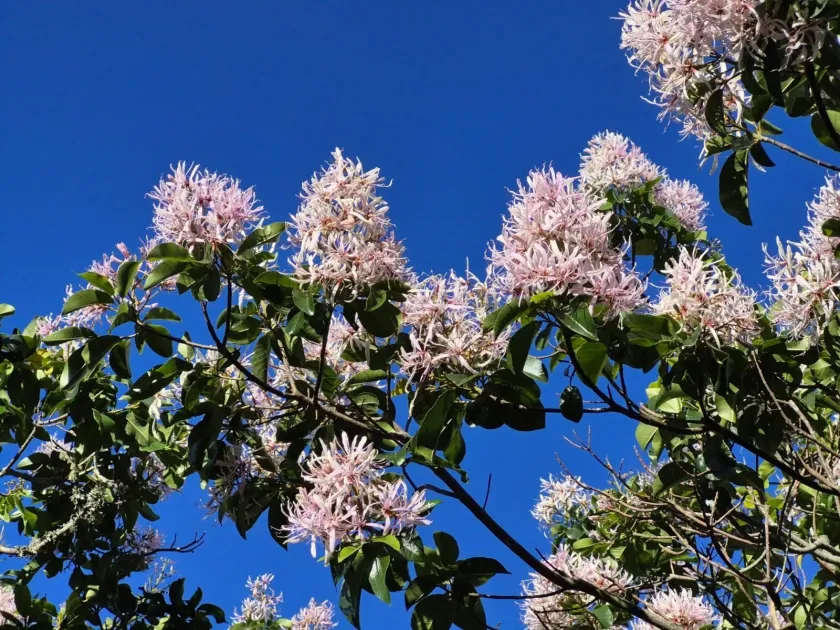
The tree serves as an excellent honey plant, attracting bees and various pollinators to the garden during its spectacular flowering season. Its blossoms are renowned for their delicate, orchid-like appearance.
The woody fruit capsules, which split open when mature, are sometimes gathered for use in decorative crafts and floral arrangements. They provide a unique natural texture that appeals to designers.
Flowering typically begins when the tree reaches 5 to 7 years of age. Under optimal conditions, the Cape chestnut can grow into a large, statuesque tree, providing valuable shade and visual impact in public parks.
While the wood is of good quality, it is rarely exploited commercially due to the tree's slow growth and high value as an ornamental plant. It remains a prized feature in botanical gardens worldwide.
Main diseases and pests
The Cape chestnut is generally resistant to most common garden pests and diseases. However, improper drainage or overwatering can lead to root rot issues, which are the most common threats to the tree's vitality.
Pests such as aphids or spider mites may occasionally appear, particularly when the tree is grown in closed environments with low humidity. Regular inspections of the foliage are recommended to spot early signs of infestation.
If necessary, appropriate insecticides can be used to manage pest populations. It is important to apply these treatments during the cooler parts of the day to avoid leaf burn and ensure maximum effectiveness.
Fungal infections can be minimized by ensuring adequate air circulation around the canopy. If fungal spots appear on the leaves, copper-based fungicides or other broad-spectrum options can be applied.
Maintaining a clean garden environment and isolating new plants before introducing them to the garden can significantly reduce the risk of bringing in diseases or pests.