
Callopsis volkensii
Callopsis volkensii
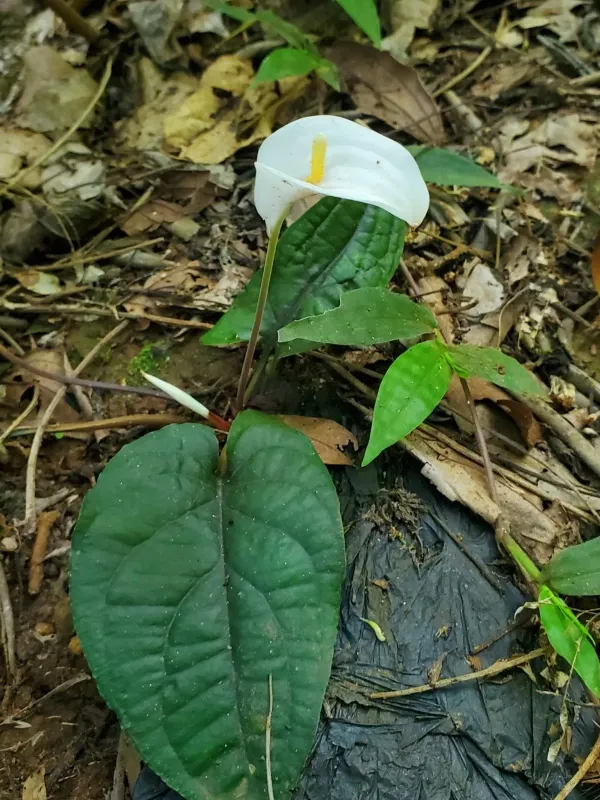
Description
Growing requirements
Callopsis volkensii is a fascinating and rare monocotyledonous plant belonging to the Araceae family. As a monotypic genus, it possesses unique evolutionary characteristics, being native to the dense, humid forests of East Africa, specifically within Tanzania.
The plant thrives in shaded environments, mimicking the light-limited conditions of a tropical forest floor. In cultivation, maintaining a balance of diffused light is crucial, as direct sunlight exposure can quickly damage its sensitive foliage and compromise the plant's health.
Regarding soil requirements, Callopsis volkensii demands a well-draining, airy medium rich in organic matter. A blend of sphagnum moss, orchid bark, and high-quality peat typically provides the optimal structure to prevent root suffocation while ensuring consistent moisture levels.
Temperature stability is vital for this species, as it is highly sensitive to fluctuations. Ideal growing temperatures are consistently maintained between 20 and 26 degrees Celsius, with protection against cold drafts and sudden drops in thermal conditions being essential for survival.
Economically, this plant is primarily utilized in botanical conservation and private plant collections. Its rarity makes it a prized specimen for researchers studying the diversity of African aroids and seeking to preserve the species from potential habitat loss.
Main diseases and pests
The primary threats to Callopsis volkensii are fungal pathogens, specifically root rot, which is triggered by excessive moisture and poor air circulation. Over-watering creates an anaerobic environment that quickly leads to the decay of the plant's delicate root system.
Pests such as spider mites and mealybugs are the most common adversaries in a domestic or nursery setting. Spider mites thrive in low-humidity conditions, whereas mealybugs tend to hide in leaf axils, making them difficult to detect and control early on.
Bacterial leaf spots represent another significant threat, often exacerbated by stagnant air or water sitting on the foliage for prolonged periods. Maintaining good sanitation and proper spacing between plants helps to reduce the spread of such infections.
Improper fertilization, particularly excessive mineral salts in the substrate, can lead to root tip burn and overall plant decline. A balanced, dilute liquid fertilizer is recommended to support steady growth without overloading the sensitive vascular system.
In conclusion, consistent monitoring of the microclimate is the most effective defense strategy. By managing humidity, airflow, and light exposure, growers can significantly minimize the impact of common biological and environmental threats to this rare species.