
Spiny broom
Calicotome spinosa (L.) Link
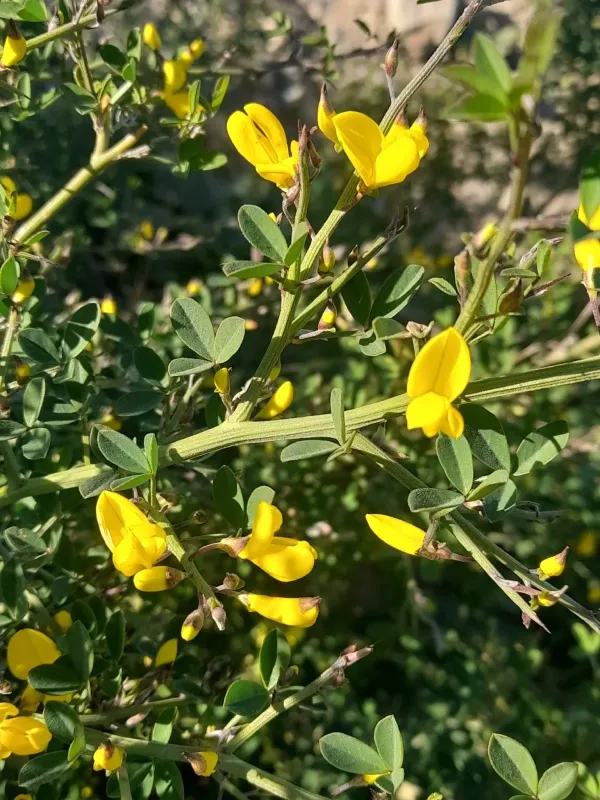
Description
Sowing dates
Propagation of Calicotome spinosa is primarily achieved through seeds, which possess a hard coat requiring scarification to break dormancy. Soaking seeds in hot water for several hours significantly enhances germination rates.
Seeds should be sown in early spring in well-draining potting media. Maintaining a steady temperature between 18 and 22 degrees Celsius is crucial for consistent seedling emergence and development.
Young plants should be transplanted into individual containers once they develop their first true leaves. This step ensures that the root system is well-established before the plants are moved to their permanent outdoor location.
When planting in the field, space should be provided according to the intended purpose of the shrub. Because the plant features sharp thorns, handle seedlings with gloves to ensure safe handling during the planting process.
Autumn planting is also a viable option in milder climates, allowing the root system to settle into the soil before the onset of the summer dry season, which improves overall plant resilience.
Growing requirements
Calicotome spinosa, a member of the Fabaceae family, is a highly branched, spiny shrub native to the Mediterranean region. It thrives in full sun, requiring ample light to maintain its vigor and structure.
The plant is exceptionally adapted to arid environments and performs well in nutrient-poor, stony, or sandy soils. It possesses a high tolerance for drought, making it an ideal candidate for xeriscaping projects.
Excellent soil drainage is the most vital requirement for this species. Waterlogging in the root zone quickly leads to root rot and can be fatal to the plant, so avoid low-lying areas where water might accumulate.
As a legume, Calicotome spinosa has the ability to fix atmospheric nitrogen through a symbiotic relationship with soil bacteria. This process naturally improves soil fertility in its immediate surroundings.
The plant is moderately hardy but generally prefers regions without prolonged, deep freezes. It acts as an effective windbreak, protecting other species from high-velocity winds in exposed locations.
Yield
In a horticultural or agricultural context, Calicotome spinosa is primarily valued for its ecological contribution. It is an excellent nectar source for pollinators, significantly boosting the biodiversity of local ecosystems.
The shrub's thorny nature makes it an effective natural barrier, useful for preventing unauthorized access to specific areas or managing the movement of livestock through landscapes.
Its deep and extensive root system makes it an excellent choice for soil stabilization on steep slopes, helping to prevent erosion in regions prone to seasonal heavy rainfall or high winds.
The annual production of biomass is relatively stable. While not harvested as a standard agricultural commodity, the plant remains productive for decades, providing long-term ecological services to the site.
Regular maintenance, including occasional pruning, can enhance the flowering density of the shrub, thereby maximizing its value as a forage plant for bees and other beneficial insects throughout the blooming period.
Main diseases and pests
Calicotome spinosa is inherently resistant to many common plant diseases. Most health issues arise only when the plant is grown under improper conditions, specifically regarding soil moisture levels.
Occasional infestations of aphids may occur on young, tender shoots. These are usually manageable through biological controls or the use of mild horticultural soaps if the population reaches damaging levels.
Fungal issues such as powdery mildew may appear if planting density is too high or if air circulation is severely restricted. Ensuring adequate spacing is the best preventive measure against these conditions.
Mechanical damage to the branches can provide entry points for pathogens. When performing maintenance or pruning, ensure that tools are sharp and sanitized to promote quick healing of the cut tissue.
Root system damage from deep cultivation around the plant should be avoided at all costs. Gentle weeding or mulching is preferred over soil disturbance, which protects the plant’s health and supports its natural resilience.