
Cajanus scarabaeoides
Cajanus scarabaeoides
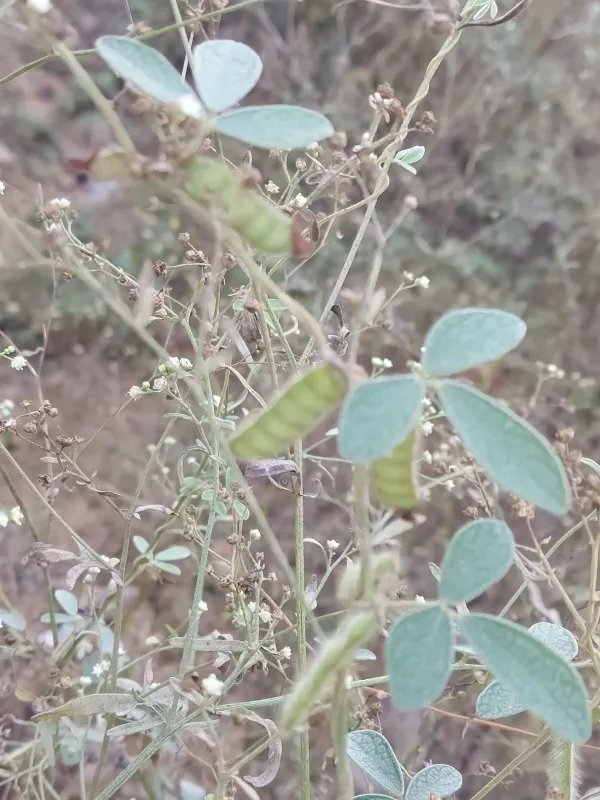
Description
Sowing dates
Cajanus scarabaeoides is a resilient perennial legume that is typically sown at the beginning of the rainy season to ensure sufficient moisture for germination and establishment.
The seeds should be planted at a shallow depth of 2 to 4 centimeters in well-prepared soil to facilitate uniform sprouting across the field.
Effective spacing between rows is essential for the plant's natural trailing habit, allowing enough room for the foliage to spread and cover the ground adequately.
In various agricultural systems, it is often sown alongside other grass species to create a nutritious and nitrogen-rich pasture mixture for livestock grazing.
Timely sowing is critical, as the crop requires a long growing season to reach its maximum biomass potential before the arrival of harsh dry conditions.
Growing requirements
This species is highly adaptable and thrives in diverse soil types, including rocky, sandy, or heavy clay soils, provided they offer reasonable drainage.
It demands plenty of sunlight for optimal development and should be planted in open areas where it can receive direct radiation throughout the day.
Cajanus scarabaeoides is well-known for its drought tolerance, allowing it to persist and grow in environments where many other crops would fail due to water scarcity.
It functions as a nitrogen-fixing plant, forming nodules on its roots that enrich the soil, making it a valuable candidate for sustainable crop rotation practices.
Temperature requirements are generally high, with the plant performing best in warm tropical or subtropical climates, avoiding areas prone to frequent freezing temperatures.
Yield
The yield of green biomass depends heavily on soil fertility and rainfall, often providing multiple cuts per season under favorable management practices.
It is primarily utilized as high-protein forage for livestock, offering a significant nutritional boost to cattle, goats, and other grazing animals.
The seeds contained within the pods serve as a secondary harvest, providing a source of vegetable protein for traditional use in some local culinary applications.
By contributing significant organic matter to the soil upon senescence or through pruning, it enhances the physical structure and fertility of the land over time.
Strategic management of the harvest intervals significantly increases the total annual yield, ensuring a consistent supply of fodder during critical feeding windows.
Main diseases and pests
The crop is susceptible to various pod-boring insects that can significantly reduce seed yields if left unmanaged during the flowering and fruit-setting stages.
Fungal pathogens such as Fusarium wilt can pose a threat, particularly in poorly drained soils where stagnant water promotes root rot and overall plant decline.
Early-stage growth is vulnerable to heavy weed competition, necessitating regular weeding until the plant is sufficiently established to shade out competing flora.
Integrated pest management strategies are recommended, focusing on the use of biological control agents to maintain populations of harmful insects below economic thresholds.
Ensuring proper airflow within the planting site is a preventive measure against the development of foliage diseases that thrive in high-humidity microclimates.
Harvesting
Harvesting for fodder is typically carried out during the early flowering stage, as this is when the nutritional profile, especially protein content, is at its peak.
For seed production, harvesting must wait until the pods have dried naturally on the branches, ensuring the seeds are fully mature and have low moisture content.
Manual harvesting is common in small-scale farming, while mechanized harvesting requires careful setting of equipment to avoid damaging the brittle pods.
After collection, the harvest must be thoroughly dried in a shaded, airy location to prevent spoilage and ensure longevity for storage or subsequent planting.
The remaining stubble after harvest should be incorporated back into the soil as green manure, effectively completing the nutrient cycle of the cropping system.