
Pigeon pea
Cajanus cajan (L.) Millsp.
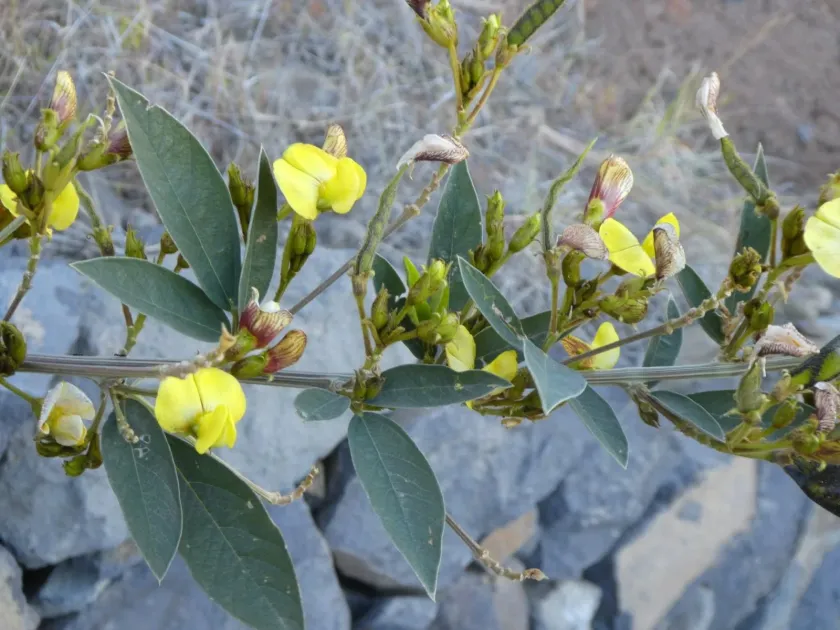
Description
Sowing dates
Pigeon pea (Cajanus cajan) is a perennial shrub in the Fabaceae family, often cultivated as an annual or biennial crop. In tropical regions, sowing typically begins with the arrival of the rainy season.
For successful germination, the soil temperature should be between +20 °C and +25 °C. Seeds are generally sown at a depth of 3 to 5 centimeters, depending on the soil structure and moisture levels.
When used as a green manure or intercrop, sowing dates are adjusted to ensure maximum biomass production before the main crop cycle. Adequate spacing is essential to encourage the bush to branch properly.
Industrial agricultural practices favor row planting with distances ranging from 60 to 90 centimeters. This spacing facilitates weed management and improves airflow, which is critical for reducing disease pressure.
The plant possesses a remarkable ability to regenerate after pruning, which allows farmers to keep the crop in the field for several years, depending on the specific variety and climate conditions.
Growing requirements
Pigeon pea is well-known for its exceptional drought tolerance, attributed to a deep taproot system that can access water in lower soil horizons. It thrives in regions with annual rainfall between 600 and 1000 mm.
The crop prefers well-drained loamy or sandy soils with a pH ranging from 5.0 to 7.0. It is highly sensitive to waterlogging, making poorly drained or swampy sites unsuitable for its cultivation.
It is a sun-loving plant that does not perform well under shade, so it is rarely intercropped with tall, dense crops. The optimal growing temperature range is between +25 °C and +35 °C.
As a nitrogen-fixing legume, pigeon pea forms a symbiotic relationship with soil bacteria, effectively enriching the soil. This makes it an excellent choice for crop rotation systems to improve soil fertility.
The crop is highly susceptible to frost. Even mild sub-zero temperatures can cause significant damage to the plant, often leading to the death of the above-ground biomass.
Yield
Grain yields for pigeon pea typically range from 0.5 to 2.0 tons per hectare, depending on variety, soil quality, and management intensity. Fertilizer application, particularly phosphorus, can boost productivity.
In addition to seeds, pigeon pea provides a substantial amount of green forage, which is highly valued as a protein-rich feed for livestock. Biomass yields can reach 5–8 tons per hectare in tropical climates.
Yield is strongly influenced by the activity of insect pollinators, such as bees, as pigeon pea is a cross-pollinated crop. A lack of pollinators during the flowering stage often leads to poor pod set.
The growth cycle lasts between 120 and 250 days. Varieties are classified into early, medium, and late-maturing groups, allowing farmers to align the crop with specific local seasons.
Its ability to remain productive under stress conditions makes it a reliable staple crop in regions where other legumes might fail due to erratic rainfall or poor soil conditions.
Main diseases and pests
The pod borer (Helicoverpa armigera) is the most destructive pest, directly damaging the seeds inside the pods. Integrated pest management strategies, including biological control, are essential for mitigation.
Fusarium wilt and phytophthora root rot are common fungal diseases that affect the crop. These are especially prevalent in waterlogged soils or where field sanitation is poorly managed.
Pests like aphids and thrips can cause direct damage and serve as vectors for viral diseases such as mosaic virus. Viral infections often lead to leaf curling and stunted plant growth.
Maintaining a strict crop rotation schedule, avoiding legumes in the same plot for at least 3–4 years, is a key practice for reducing the incidence of soil-borne pathogens.
- Seed treatment with fungicides prior to planting.
- Maintaining optimal plant density for better aeration.
- Regular field monitoring for early pest detection.
Harvesting
Harvesting is typically conducted when 75–80% of the pods change color, turning brown or black depending on the variety. This usually coincides with the dry season, facilitating harvest.
Hand harvesting involves cutting the stalks and drying them in the field before threshing. Modern mechanized operations use combines adjusted to handle pulses without cracking the grains.
Proper moisture control is vital; harvested grain should be dried to 12–14% moisture content to prevent mold growth and maintain quality during long-term storage.
Some farmers use a two-stage harvest method: cutting the plants and allowing them to cure in windrows before threshing to minimize losses from pod shattering.
Post-harvest processing involves thorough cleaning and additional drying. When stored in cool, dry conditions, pigeon pea seeds remain viable and nutritious for over a year.