
Cacaliopsis nardosmia
Cacaliopsis nardosmia
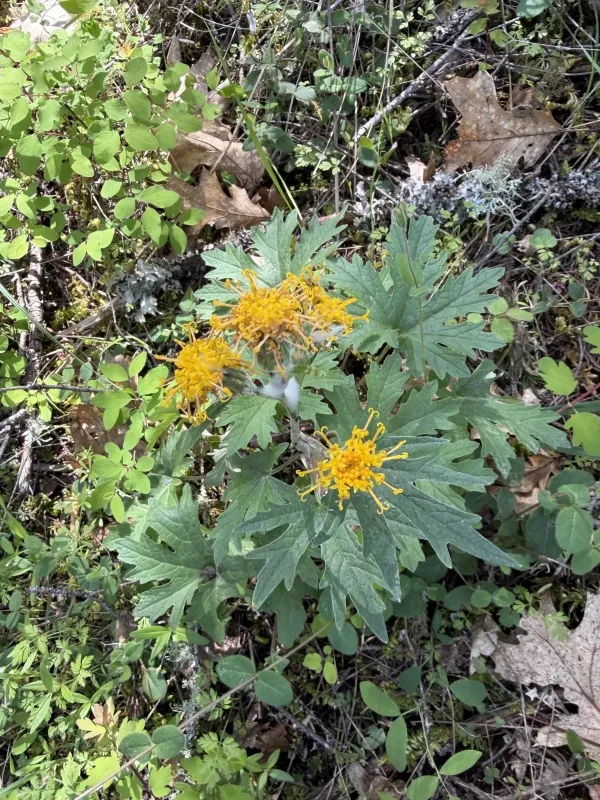
Description
Growing requirements
Cacaliopsis nardosmia is a perennial herb belonging to the Asteraceae family. Known for its distinct fragrance that resembles nard, this plant is primarily native to the western mountainous regions of North America.
The plant thrives in well-drained, nutrient-rich soils that retain moisture without becoming waterlogged. It prefers environments with partial shade, mimicking the forest floors or woodland edges where it is naturally found.
Climatic requirements involve moderate temperature ranges and a consistent supply of moisture throughout the growing season. While hardy, the species is sensitive to extreme soil saturation, which can compromise its root structure.
Botanically, it features dissected foliage and clusters of small, yellow to cream-colored flower heads. It grows from a stout rhizome, allowing it to persist through dormant periods and emerge vigorously when conditions are optimal.
Agricultural use remains specialized, primarily focused on botanical conservation and ornamental gardening. It is not currently utilized as a staple crop, but its biological hardiness makes it a subject of ecological interest.
Main diseases and pests
The primary threats to Cacaliopsis nardosmia include fungal pathogens such as root rot and leaf spot diseases. These are often triggered by improper irrigation practices and poor air circulation within the planting area.
Pests that commonly affect this species include aphids and slugs, which feed on succulent new growth. Monitoring for these pests during the early spring is essential to ensure healthy plant development.
Environmental threats involve the loss of natural habitat due to land development and competitive pressure from invasive weed species. Effective management requires maintaining biodiversity and soil health.
Integrated pest management (IPM) strategies are recommended for any attempts at propagation. This involves manual removal of weeds, use of organic repellents, and ensuring proper spacing between plants.
Disease prevention also relies on selecting sites with natural slopes for better drainage. Keeping the planting site clean of dead organic debris significantly reduces the risk of fungal outbreaks.