
Bursaria incana
Bursaria incana
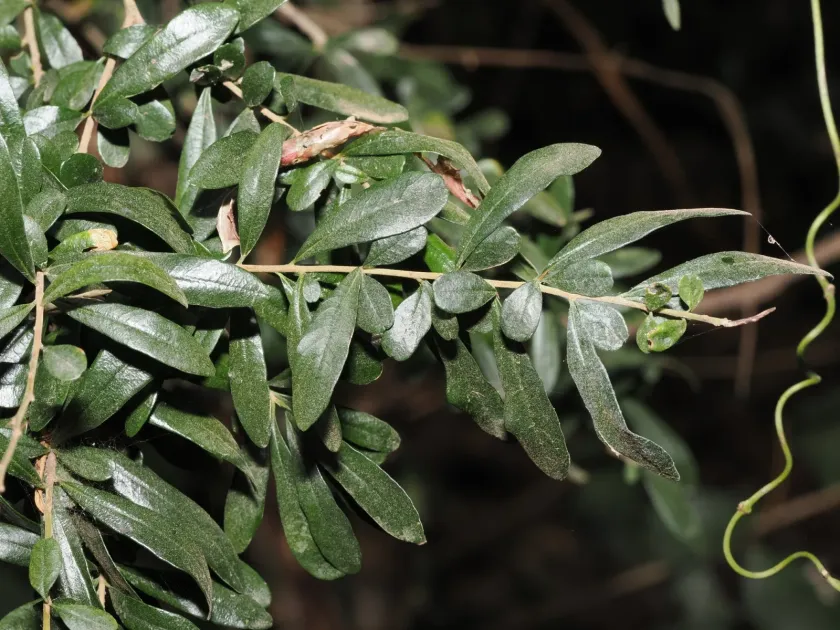
Description
Growing requirements
Bursaria incana is a woody shrub belonging to the Pittosporaceae family, native to the eastern parts of Australia. It is characterized by its resilience and adaptation to diverse environments, ranging from open woodland areas to rocky outcrops.
The plant thrives in well-drained, sandy or loamy soils. It is well-suited for environments with moderate drought conditions once the root system is fully established, making it a robust choice for sustainable landscape projects.
Exposure to full sun is essential for the healthy growth and flowering of this species. While it can tolerate partial shade, insufficient light often results in elongated, weak branches and a significant reduction in flower production.
In terms of climate, Bursaria incana requires temperate conditions. It is sensitive to severe frost and requires protection if cultivated in regions where temperatures drop significantly below freezing for extended periods.
Botanically, the species is distinguished by the dense, silvery-white hairs covering its young leaves and branchlets, which serve as an adaptation to minimize moisture loss and reflect excessive heat under the Australian sun.
Main diseases and pests
Excessive soil moisture is the primary agricultural challenge for Bursaria incana. Waterlogged conditions almost inevitably lead to root rot pathogens, which can rapidly cause the decline of the entire plant specimen.
Aphids pose a recurring threat to the tender new growth during the spring season. These insects feed on plant sap and can spread viral diseases, necessitating early monitoring and, if required, the use of organic insecticidal soaps.
Spider mites are a common pest during hot and dry summer spells. They thrive in low humidity and can cause significant foliage damage if the plant is under stress, requiring consistent irrigation to increase local humidity.
Scale insects can attach themselves to the stems and branches of the shrub. Because of their hard outer shell, they are often difficult to detect until the plant starts showing signs of stunted growth or yellowing foliage.
Proper airflow management is critical to prevent fungal outbreaks, such as powdery mildew, which can develop in overcrowded garden beds. Periodic pruning is recommended to maintain the structure and health of the plant canopy.