
Burkea africana
Burkea africana
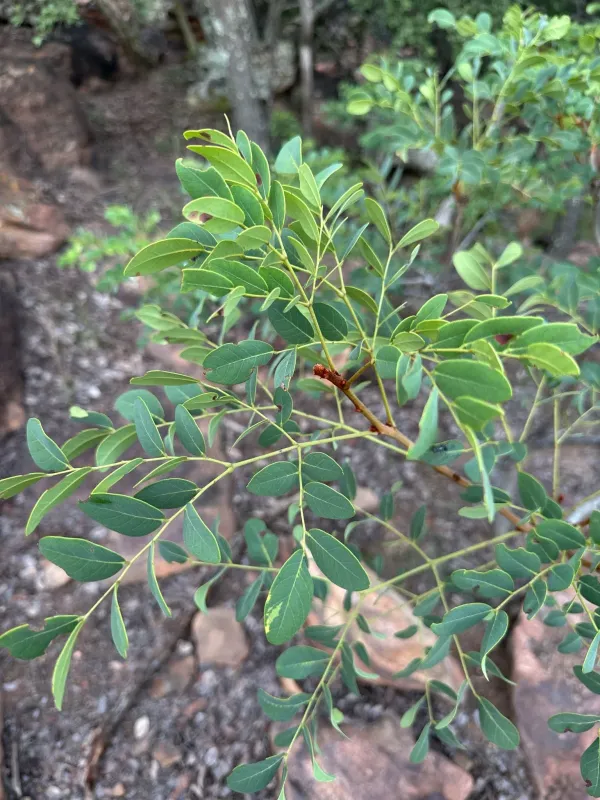
Description
Sowing dates
Burkea africana is a deciduous tree belonging to the Fabaceae family, widely distributed across the tropical regions of Africa. It is a slow-growing species known for its adaptability to the harsh conditions of savanna environments.
Propagation is primarily carried out through seeds, which require scarification to break dormancy and ensure uniform germination. The seed coat is robust and needs physical or chemical treatment to allow water absorption.
Sowing in nurseries is typically synchronized with the onset of the rainy season to maximize seedling survival rates. A well-draining, sandy loam substrate is ideal for initial growth stages in greenhouse or nursery settings.
Seedlings should be protected from extreme heat during their first few weeks. Once they establish a secondary root system, they become increasingly resilient to the erratic weather patterns of the tropics.
Transplanting into the field requires careful handling of the taproot to prevent damage. Properly established young trees demonstrate significant vigor once the roots successfully reach deep soil layers.
Growing requirements
This species is highly photophilous and requires full sun exposure for optimal development. Shaded conditions significantly inhibit growth and lead to elongated, weak stems that are susceptible to wind damage.
Burkea africana is well-suited to diverse soil types, including poor, sandy, and stony soils. It is notably drought-tolerant, surviving long dry seasons through its deep-penetrating root system that accesses moisture from subsoil.
It prefers warm tropical temperatures and cannot withstand frost. Consistent exposure to temperatures above 15°C is essential for maintaining metabolic processes and preventing tissue damage.
Water requirements are minimal once the tree has reached maturity. However, during the initial planting phase, maintaining soil moisture is crucial to ensure high survival rates among young saplings.
Good soil aeration is necessary for the root system to function effectively. In areas with heavy clay soils, incorporating organic matter or sand can improve the structure and facilitate better root development.
Main diseases and pests
While relatively resistant to many pathogens, the tree can be affected by various wood-boring insects if it becomes stressed due to severe drought or mechanical injury.
Fungal infections can occur in areas with poor drainage or excessive humidity, potentially causing root rot in young plantations. Monitoring for leaf spot diseases during the rainy season is also recommended.
Termites are a natural component of the savanna ecosystem but can target young, weakened trees, particularly if the wood is damp or decaying. Preventive measures include keeping the plantation site clean.
Grazing wildlife can pose a threat to young saplings in open areas. Installing fencing or individual tree guards is a common practice to protect new plantations from browsing animals during the establishment years.
Invasive weed species can compete with young trees for nutrients and water. Regular weeding around the base of each tree is critical to reduce environmental stress and promote faster canopy closure.
Harvesting
The primary economic output of Burkea africana is its dense, durable, and termite-resistant timber. The wood is highly sought after for fine furniture making, flooring, and heavy-duty structural applications.
Harvesting is conducted upon reaching maturity, which requires a long-term investment strategy. The timber should be harvested sustainably to ensure the long-term viability of the tree population.
The bark and roots are sometimes used in traditional medicinal applications. Any harvesting of medicinal plant parts must be performed according to local regulations to prevent the destruction of wild stands.
Seeds are harvested manually when the pods turn brown and start drying. Careful timing is required to prevent the seeds from being dispersed prematurely by wind or animal activity before collection.
Post-harvest treatment involves proper kiln drying to reduce moisture content in the timber. This process minimizes warping and cracking, ensuring the final wood product meets high commercial quality standards.