
St. Augustine grass
Stenotaphrum secundatum (Walter) Kuntze
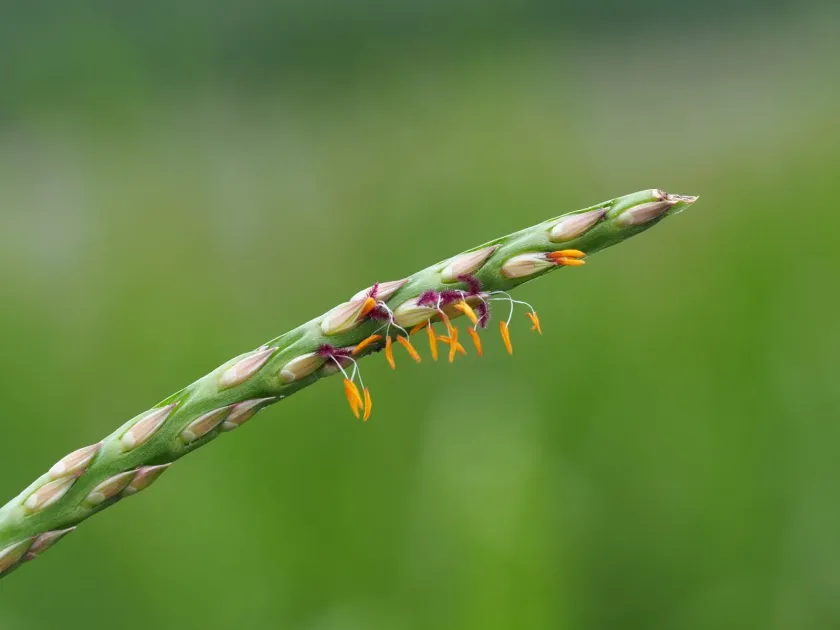
Description
Growing requirements
St. Augustine grass (Stenotaphrum secundatum) is a perennial stoloniferous grass belonging to the Poaceae family. It is widely recognized for its coarse texture and its ability to form a dense, lush green mat that effectively suppresses weeds.
Originating from the tropical regions of the Americas and Africa, this species thrives in warm, humid climates. It is predominantly used as a high-quality turfgrass for landscaping, parks, and erosion control in coastal areas.
The plant is characterized by thick, succulent runners or stolons that spread rapidly across the surface. Its leaves are broad, blunt-tipped, and deep green, providing a visually appealing ground cover throughout the growing season.
Climate requirements focus primarily on temperature and light. The grass is highly sensitive to cold and requires sustained warm temperatures to thrive. While it can handle some shade better than many other turf species, it achieves its highest density under full sun exposure.
Soil requirements for optimal growth include a well-drained medium with a pH range between 6.0 and 7.5. It is known for a moderate level of salt tolerance, making it an excellent candidate for coastal environments where other grasses might fail due to salinity.
Main diseases and pests
Gray leaf spot, caused by the fungus Piricularia grisea, is the most significant disease affecting St. Augustine grass. It typically manifests during periods of high humidity and heat, appearing as small, dark spots on the foliage that expand rapidly.
Root rot is another major threat, often resulting from poorly drained soil or over-irrigation. This condition leads to wilting and thinning of the turf, making it susceptible to further environmental stress and weed invasion.
Pests such as chinch bugs are notorious for causing localized damage by sucking sap from the stems and leaves. Their feeding habits can lead to yellowing and eventually the death of large patches of grass if left untreated.
Effective management requires a combination of cultural practices, such as proper mowing height and aerating the soil to reduce moisture accumulation. Reducing nitrogen levels during disease-prone periods can also help minimize the severity of outbreaks.
Integrated pest management strategies are recommended, focusing on early detection and targeted treatments. Maintaining a balanced fertility program is essential for the plant's natural resilience against various biological threats.