
Chasmanthium latifolium
Chasmanthium latifolium (Michx.) H. O. Yates
Description
Sowing dates
Seeds of Chasmanthium latifolium are typically sown in early spring or late autumn. Cold stratification for about 30 days significantly improves germination rates, especially for spring-sown seeds.
When starting indoors, seeds should be sown in late winter in a well-draining seed-starting mix. Light surface sowing is recommended, as exposure to light is necessary for the seeds to sprout effectively.
Optimal germination occurs at temperatures between 20 and 22 degrees Celsius. Seedlings should be thinned or transplanted into individual pots once they develop their first set of true leaves.
Transplanting into the garden should occur after the threat of frost has passed in late spring. Spacing should be approximately 30 to 40 centimeters apart to allow for mature growth and aeration.
Vegetative propagation via root division is a highly effective way to expand plantings. This is best done in the early spring before new growth begins or in the autumn as the plant enters dormancy.
Growing requirements
Chasmanthium latifolium, commonly known as Northern Sea Oats, is a perennial grass in the Poaceae family. It is native to the woodlands and floodplains of North America, favoring moist and nutrient-rich sites.
This grass thrives in fertile, loamy, or sandy soils. While it prefers moist conditions, it has moderate drought tolerance once established. Ensuring proper soil drainage is crucial to prevent root rot.
The plant is remarkably versatile regarding light exposure. It performs well in full sun, partial shade, or even deep shade, though seed production is usually more prolific in brighter locations.
It is cold-hardy and can withstand temperatures down to -30 degrees Celsius. In areas with harsh, frost-heaving winters, applying a layer of organic mulch around the base is beneficial for root protection.
Nutrient management is straightforward, as the plant does not require heavy fertilization. A light application of balanced compost in early spring is usually sufficient to support vigorous growth throughout the season.
Main diseases and pests
Chasmanthium latifolium is generally resistant to most pests and diseases. The primary concern is root rot, which typically occurs in waterlogged soils where drainage is insufficient.
Occasional infestations of aphids or spider mites may occur during periods of extreme heat or plant stress. Regular monitoring during the peak of summer helps in early detection and management.
Cultural control is the best approach to maintain plant health. This includes avoiding overhead watering and ensuring that the garden bed remains free of weeds to prevent humidity buildup.
Fungal diseases like powdery mildew may appear during humid, stagnant conditions. Improving airflow through proper spacing of plants is the most effective preventative measure against such issues.
Maintaining a clean garden environment by removing fallen leaf litter in the spring helps prevent the overwintering of potential pests and pathogens that could target the grass.
Harvesting
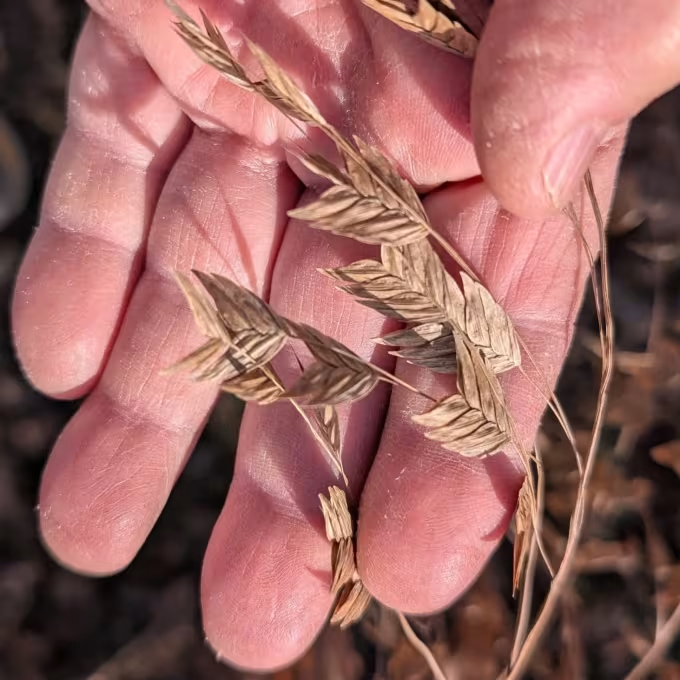
The primary use of Chasmanthium latifolium is ornamental, particularly for its distinctive, flattened spikelets that hang gracefully from arching stems. These structures are highly valued in both fresh and dried floral arrangements.
For drying purposes, harvest the stems once the seed heads have reached full maturity but before they begin to shatter. Cutting them in dry weather ensures the best retention of form and color.
Hang the harvested stems upside down in a dark, dry, and well-ventilated area for several days. This process prevents the stems from drooping and preserves the structural integrity of the spikelets.
In landscape design, this grass is prized for its movement and visual interest in woodland gardens, rain gardens, and as a naturalistic groundcover. Its ability to thrive in shaded corners makes it a preferred choice for many gardeners.
For winter maintenance, leave the foliage standing to provide structural interest in the dormant landscape. Cut the dried stalks back to about 5–10 centimeters above the ground in early spring just before new growth starts.