
Enteromorpha clathrata
Enteromorpha clathrata (Roth) Greville
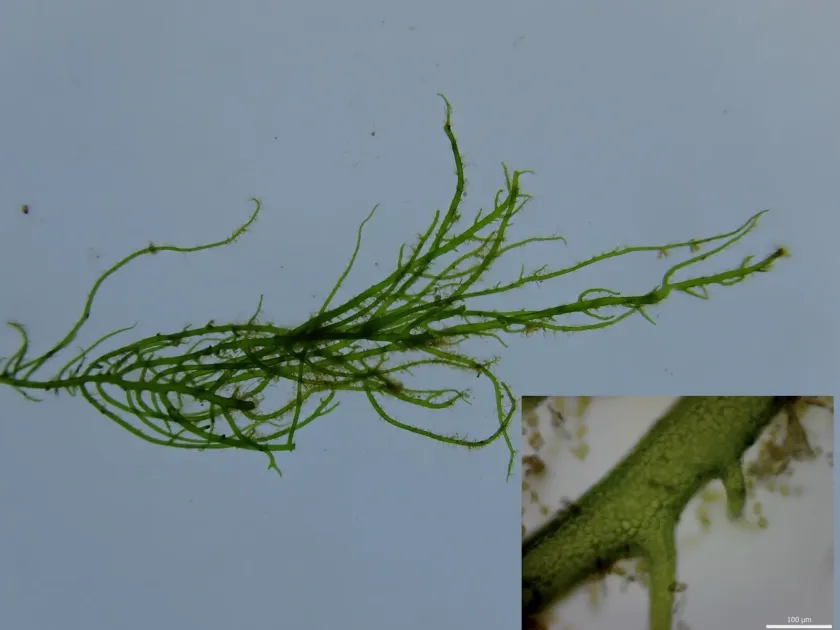
Description
Sowing dates
Enteromorpha clathrata is not sown using traditional seeds, as it is a marine macroalgae that propagates through spores or vegetative fragmentation.
In aquaculture, the process begins by attaching inoculants onto artificial substrates like ropes or nets, which mimics the natural colonization of rocky surfaces.
The optimal time for starting the cultivation cycle is during the spring when water temperatures facilitate rapid cell division and healthy thallus development.
Farmers must carefully monitor the seeding density, as overcrowding in the early stages can lead to nutrient competition and stunted growth of the biomass.
Laboratory-controlled incubation is often used to ensure a high-quality initial population before transferring the substrate to open-water farm systems.
Growing requirements
This species belongs to the Ulvaceae family and is recognized for its high adaptability and rapid growth in various marine environments.
Light intensity is the primary driver of photosynthesis, requiring clear water and proper depth management to maximize the biomass yield throughout the growing season.
The species thrives in a temperature range of 15–25 degrees Celsius, showing remarkable resilience to fluctuating salinity levels found in coastal estuaries.
The plant requires high concentrations of nitrogen and phosphorus, making it an excellent candidate for integrated multi-trophic aquaculture systems for water purification.
- High tolerance to fluctuating water quality.
- Necessity for consistent water movement and aeration.
- Sensitivity to excessive wave action and storm surges.
Yield
The total yield of Enteromorpha clathrata is heavily dependent on the available nutrient load and the intensity of light penetration through the water column.
Industrial farming techniques can produce several kilograms of raw biomass per square meter, provided the environment is monitored for optimal growth parameters.
Efficiency is achieved by maintaining constant circulation, which prevents the stagnation of water and the depletion of essential nutrients around the thallus.
Harvesting at the peak of vegetative growth is essential to ensure that the nutritional profile and physical integrity of the seaweed remain at industrial standards.
Post-harvest handling is critical, as the seaweed is highly perishable and must be processed immediately via drying or freezing to maintain its commercial value.
Main diseases and pests
Epiphytic algae represent the most significant threat to a crop, as they can quickly overgrow the Enteromorpha, effectively blocking necessary sunlight.
Rapid temperature spikes, common in shallow water aquaculture during summer, can cause massive bleaching events and the subsequent death of the crop.
Small crustaceans and grazers often target the tender branches of the thallus, which can lead to significant reductions in total harvest weight.
Bacterial or fungal infections are typically associated with poor farm management, high density, and insufficient water flow within the cultivation site.
Pollution from heavy metals or chemical runoff can render the biomass hazardous, making regular environmental testing a non-negotiable part of farm operations.
Harvesting
The harvesting process involves mechanical stripping of the seaweed from its mounting structures once the biomass reaches the desired maturity level.
Strategic harvesting, which involves leaving small portions of the seaweed behind, allows for natural regeneration and reduces the need for constant re-seeding.
The gathered material must be rinsed thoroughly in clean seawater to remove sand, debris, and associated small organisms before it is processed.
Final product quality depends on the speed of processing; drying or flash freezing are the standard methods used to preserve the seaweed's chemical composition.
Proper cleaning and sterilization of the grow-out nets after the harvest are mandatory to prevent disease carryover into the next production cycle.