
Brazil nut
Bertholletia excelsa Bonpl.
Description
Sowing dates
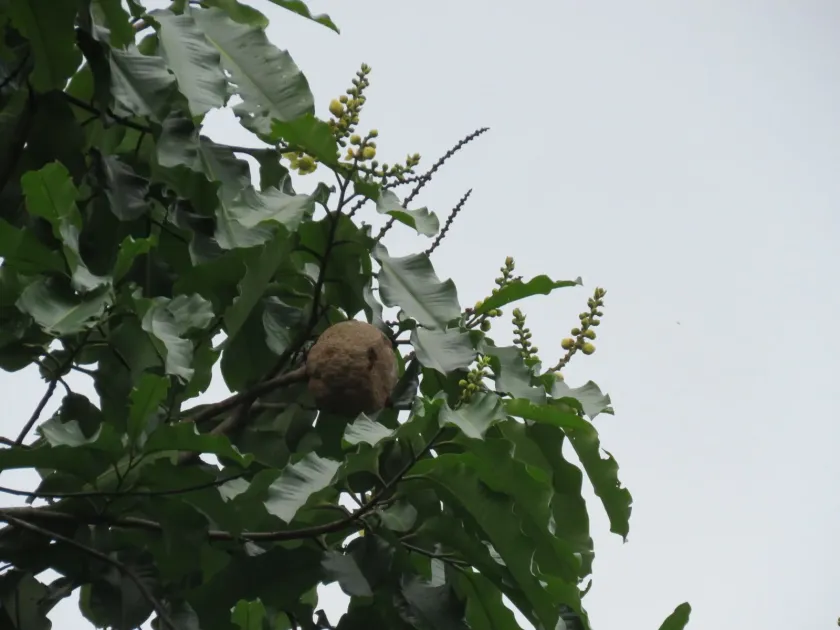
Bertholletia excelsa, commonly known as the Brazil nut tree, is a massive species within the Lecythidaceae family. It can reach heights of 50 meters and is a defining component of the Amazonian rainforest ecosystem.
Propagation is primarily through seeds. Because the seeds are encased in extremely hard, woody fruit capsules, they require specialized preparation to ensure uniform germination in a nursery environment.
The trees exhibit slow initial growth, requiring a high-quality, nutrient-dense substrate and consistent moisture levels. Shade management is critical during the first few years to mimic the natural forest floor habitat.
Successful establishment depends on symbiotic relationships with mycorrhizal fungi, which are essential for nutrient uptake. Soil inoculation with native forest soil is often recommended for nursery-grown seedlings.
Field planting requires significant spacing, as mature trees have expansive crowns and massive root systems that cannot compete effectively in high-density plantations.
Growing requirements
This species thrives in a strictly tropical climate with constant temperatures ranging between 24°C and 30°C. It is highly intolerant of cold snaps or frost, which can prove fatal to the tree.
The preferred soil type is well-drained, alluvial, or clay-loam soil. While it loves moisture, stagnant water is detrimental and can trigger root rot in older trees.
High relative humidity is necessary for the tree's physiological processes. It is vital to shield young saplings from direct, harsh winds that could cause desiccation or mechanical damage.
The tree requires significant solar exposure once it matures, but it evolved to compete for light within the forest canopy, making site selection critical for maximizing flower production.
Nutrient requirements are satisfied by a healthy layer of decomposing forest litter, which provides a slow-release source of essential minerals and organic matter.
Yield
Brazil nut trees have a long maturation period, typically taking 12 to 20 years to produce the first significant harvest. Once mature, a tree can provide consistent production for decades.
A single mature tree can yield between 100 to 300 kilograms of nuts annually, depending on the success of pollination and local environmental conditions during the flowering season.
Pollination is highly specialized and depends on large-bodied bees (Bombus and Eulaema species). A decline in these bee populations directly correlates with decreased yields.
The harvest cycle is dictated by nature, as fruits drop naturally when fully mature. This makes the harvest period labor-intensive and tied to the rainy season in the Amazon region.
Economic output is high due to the nutritional profile of the nuts, which are rich in selenium, healthy fats, and high-quality protein, maintaining steady market demand globally.
Main diseases and pests
Fungal pathogens such as anthracnose and various leaf spot diseases are prevalent in high-humidity plantation environments, necessitating regular monitoring and integrated pest management.
Boring insects, including species that attack the trunk and branches, are significant threats. These pests can introduce secondary infections that compromise the structural integrity of the tree.
Deforestation and habitat fragmentation represent the greatest external threats, as they disrupt the native bee populations necessary for the cross-pollination of the trees.
Climate change-induced droughts can cause water stress, leading to fruit abortion and stunted growth, which severely reduces the long-term viability of the plantation.
Over-harvesting of the fruits by humans can also deplete the seed bank, preventing the natural regeneration of the ecosystem and reducing future seedling availability.
Harvesting
Harvesting is almost exclusively done by hand. Collectors gather the fallen woody capsules from the forest floor, which is a dangerous task given the weight and height from which they drop.
The extraction of nuts involves skilled laborers using machetes to split the extremely tough pericarp. Safety protocols are essential to prevent injuries during this manual extraction process.
Post-harvest processing involves drying the kernels to reduce moisture content. This prevents the development of aflatoxins, a critical food safety standard for global exports.
Nuts must be stored in cool, dry conditions with adequate ventilation to prevent lipid oxidation, which would lead to rancidity given the high oil content of the kernels.
Quality control at the packing stage ensures that only clean, well-dried, and undamaged nuts are shipped, maintaining the high price point and nutritional value of the final product.