
Bravaisia integerrima
Bravaisia integerrima
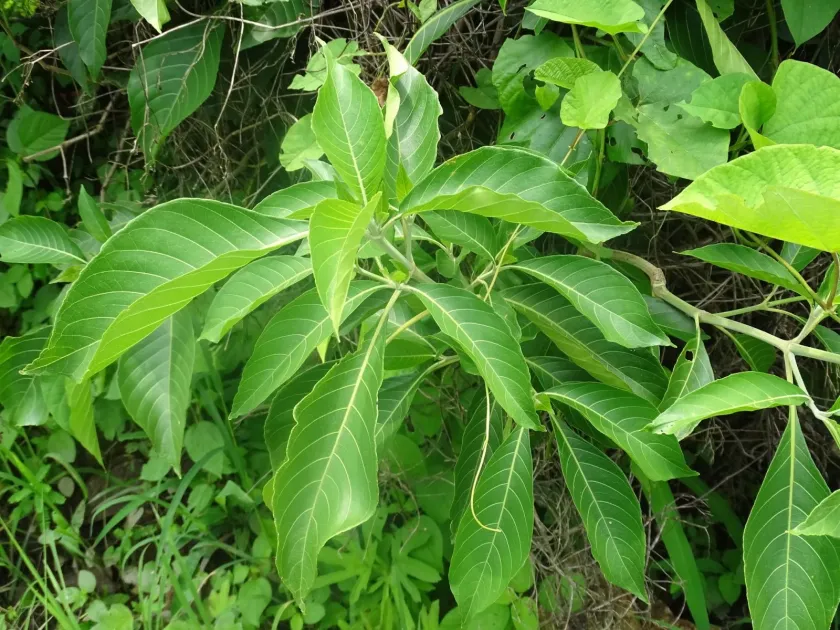
Description
Sowing dates
Bravaisia integerrima is a member of the Acanthaceae family, native to tropical environments in the Americas. In agricultural practice, propagation is typically performed through seeds, which require specific preparation to overcome dormancy and ensure uniform germination.
Seeds should be sown in a well-draining, nutrient-rich substrate composed of sand and decomposed organic matter. The optimal temperature for seed germination ranges between 25 and 28 degrees Celsius, mimicking the tropical climate conditions of its natural habitat.
The sowing period is aligned with the onset of the rainy season to provide consistent moisture to the developing seedlings. Seeds are shallowly covered with soil to allow adequate light exposure, which is essential for triggering the germination process in this species.
Seedlings are extremely delicate in their early stages and require protection from intense direct sunlight and strong winds. Once the plants reach a height of approximately 30 centimeters, they are typically hardened off in a nursery setting before being transplanted into the final plot.
Space allocation during planting is critical to ensure that individual trees have enough room for crown development, with recommended spacing of 5 meters between specimens to maximize air circulation and light distribution.
Growing requirements
This species thrives in high-temperature environments and is highly sensitive to cold, making it unsuitable for regions experiencing frost. Stability in climatic conditions is essential, as the plant does not adapt well to sudden shifts in temperature or humidity.
Bravaisia integerrima prefers bright, indirect light, though mature trees are capable of tolerating full sun. Young plants, however, must be provided with shade during the hottest parts of the day to prevent leaf scorch and desiccation of the tender tissues.
Soil requirements include high moisture retention, but the substrate must be well-drained to prevent root rot, which is the most common cause of mortality in nurseries. Loamy or slightly acidic soils with a high organic content are considered optimal for this species.
Water management is crucial during the establishment phase, with regular irrigation needed to keep the soil consistently moist but not waterlogged. In mature stages, the tree demonstrates a degree of tolerance to wet soil conditions, often thriving near riverbanks.
Supplementing the soil with organic fertilizers during the active growing season significantly improves the tree's health, promoting faster growth and higher resilience to environmental stressors.
Yield
The primary economic value of Bravaisia integerrima lies in its high-quality timber, which is known for its durability and resistance to biological decay in humid climates. Yield projections are dependent on soil quality, water availability, and the intensity of plantation management.
In addition to timber, the plant produces significant quantities of biomass that can be utilized for soil improvement or as raw material for bioenergy production. Systematic pruning of lower branches helps improve trunk quality and increases the volume of merchantable timber.
Productivity rates are highest when the trees are managed with a focus on vertical growth in the early years. Achieving optimal yield requires thinning out weaker specimens to allow the most vigorous trees to develop full crown potential.
Economic returns become significant once the plantation reaches maturity, typically between 15 and 20 years of age. Consistent harvesting cycles can ensure a sustainable supply of wood for local markets and industrial applications.
Effective biomass management allows for a multi-purpose yield, providing both construction-grade timber and organic residues that support the ecological sustainability of the plantation site.
Main diseases and pests
Fungal pathogens represent the most significant threat to the health of these trees, particularly in environments with stagnant air and high humidity. These infections can lead to stem necrosis and root rot, which are difficult to manage once established.
Pests, particularly boring insects, can compromise the integrity of the trunk, leading to reduced wood value and increased susceptibility to wind damage. Regular scouting is essential to identify early signs of infestation and implement control measures.
Defoliating caterpillars are common pests that can significantly reduce the photosynthetic capacity of the trees if not controlled. The use of biological pesticides is recommended to protect the crop without harming beneficial local insect populations.
Competition from invasive weeds and climbers is a major limiting factor for young trees, which can be quickly choked if not regularly cleared. Maintaining a clean area around the base of the tree is a fundamental practice in successful plantations.
Early intervention, including the removal of infected parts and the application of appropriate biological treatments, is key to preventing the spread of diseases within the forest plot.
Harvesting
Harvesting timber requires professional techniques to ensure that the wood quality is maintained and that the process is safe for both the workers and the surrounding environment. Felling is best conducted during the dry season to facilitate drying and transportation.
Post-felling procedures include immediate removal of bark and branches to reduce the moisture content and minimize the risk of pest infestation during storage. Proper stacking with adequate ventilation is critical to ensure even drying and prevent warping.
Logistics play a vital role in harvesting, with modern equipment minimizing damage to the site and ensuring that the timber reaches processing facilities in optimal condition. Careful handling prevents mechanical stress, which can lead to cracks in the wood grain.
Effective drying is a prerequisite for timber usability, and storage should be carefully monitored to track moisture levels. Avoiding direct contact with the ground protects the wood from decay and enhances its long-term value.
Sustainability in harvesting involves replanting programs to replace harvested trees, ensuring the longevity of the plantation and maintaining the environmental balance of the area.