
Bravaisia floribunda
Bravaisia floribunda
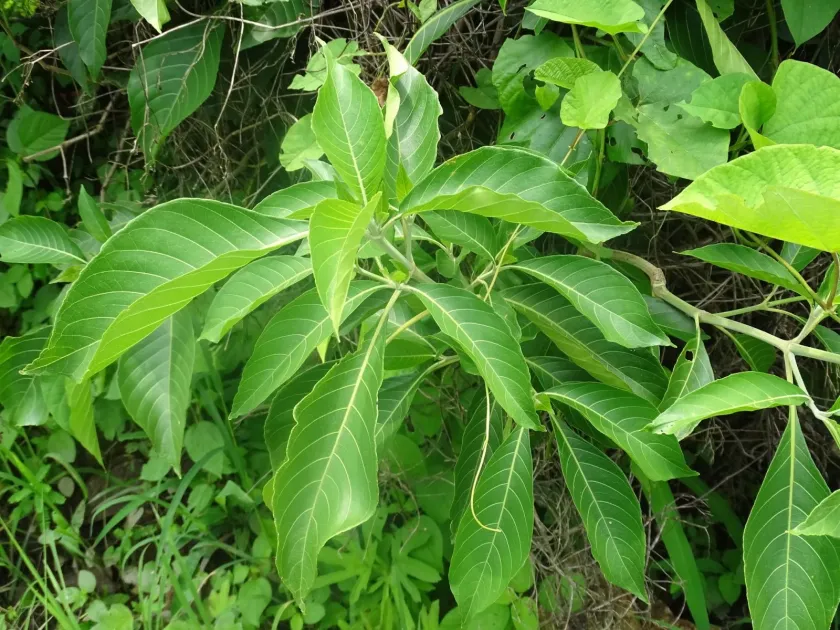
Description
Sowing dates
Bravaisia floribunda, a member of the Acanthaceae family, is a significant woody plant native to the tropical forests of Central and South America. It typically grows in riparian habitats and wetlands.
Propagation is primarily achieved through seeds or stem cuttings. For seed germination, high environmental humidity and temperatures between 25°C and 28°C are essential to ensure a high success rate.
The growing substrate should be rich in organic matter and possess excellent drainage properties. Growers must maintain a consistent supply of nutrients during the seedling stage to foster vigorous early development.
Seedlings are transferred to the field or permanent containers once they have established a robust root system, typically several weeks after germination.
Maintaining adequate spacing between individual plants is crucial to ensure proper air circulation, which prevents the development of fungal pathogens in humid growing environments.
Growing requirements
This species requires a stable tropical climate to thrive, avoiding extremes of heat or cold. Consistent temperatures promote continuous vegetative growth throughout the year.
Soil requirements include high moisture retention, as the plant is adapted to alluvial soils. Periodic monitoring of soil pH is recommended to maintain the optimal range for nutrient absorption.
The plant demonstrates a preference for partial shade or filtered light, which mimics the natural conditions of the forest understory where it originates.
Water management is the most critical aspect of agrotechnics; while the plant enjoys moisture, standing water should be avoided unless the soil is specifically adapted for flood-prone conditions.
Regular fertilization with organic compounds helps sustain the rapid growth rate characteristic of this species, especially during its active blooming cycle.
Main diseases and pests
The primary threats to Bravaisia floribunda include soil-borne fungal diseases that manifest in conditions of excessive moisture and poor soil aeration.
Pests such as scale insects and spider mites may target the foliage during periods of drought or if the plant is grown under stressful, non-optimal conditions.
Leaf spots, often caused by bacterial infections, can spread rapidly if the canopy density is too high, necessitating regular pruning to improve airflow.
Integrated pest management (IPM) strategies, including the use of neem oil or biological control agents, are recommended to maintain plant health without relying on heavy chemical interventions.
Vigilant inspection of the undersides of leaves is vital for early detection and mitigation of common nursery-related infestations.
Harvesting
Harvesting of Bravaisia floribunda is often geared toward wood utilization or seed collection. Selective harvesting methods are employed to ensure the sustainability of the population.
When harvesting for timber or raw wood materials, mature specimens are selected based on size and wood density to ensure quality output for local crafts.
Seed collection requires careful timing; the fruit capsules should be harvested just before they dehisce to prevent the loss of genetic material.
Pruning for aesthetic or maintenance purposes provides secondary biomass that can be repurposed as high-quality compost for the next planting cycle.
Efficiency in harvesting depends on the integration of proper post-harvest processing, including controlled drying of seed material or wood pieces.