
Napa cabbage
Brassica rapa x Diplotaxis tenuifolia
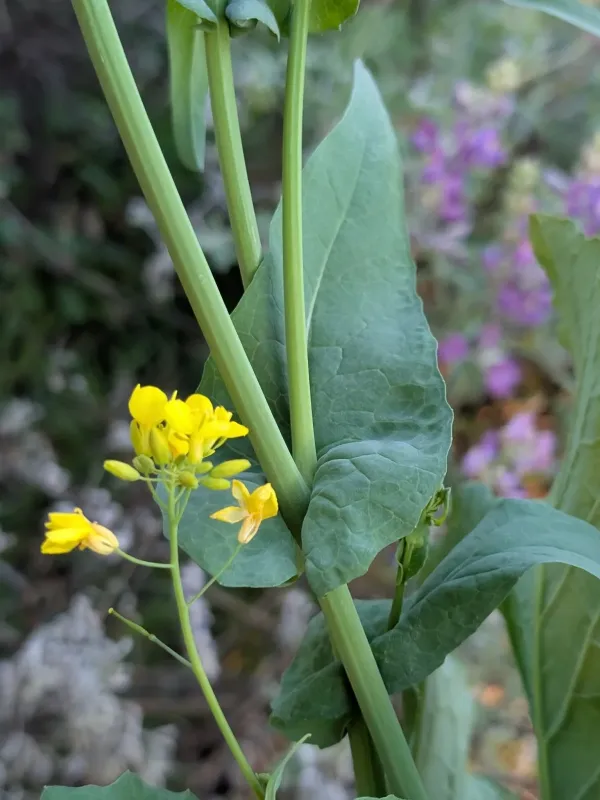
Description
Sowing dates
Napa cabbage belongs to the Brassicaceae family and is recognized for its rapid growth cycle. It is a highly versatile crop suitable for various culinary applications.
For spring planting, seeds are started in nurseries during March. Transplants are moved to the field in April once the risk of severe frost has subsided.
Summer-to-autumn planting occurs in late July or early August. Choosing bolt-resistant hybrids is essential to manage the length of daylight and temperature fluctuations.
Direct seeding in the field is a common practice that minimizes root disturbance, which helps the plants establish themselves more vigorously in the early stages.
Optimal spacing typically involves 30–40 cm between plants in rows, providing enough room for canopy development and air circulation to prevent foliage rot.
Growing requirements
The crop requires consistent moisture to thrive. Irrigation must be managed carefully, as uneven water supply causes poor head formation and bitter-tasting leaves.
Napa cabbage prefers cool weather, with temperatures ranging from 15 to 20 degrees Celsius being ideal for optimal development and quality of the heads.
Well-drained, fertile soil with a pH level between 6.0 and 7.0 is required. Incorporating organic matter during soil preparation enhances nutrient availability.
Exposure to extreme heat or excessive sunlight during head formation can lead to stress and premature bolting, requiring the use of shade cloth in some climates.
Adequate levels of nitrogen, phosphorus, and potassium are critical, along with micronutrients like boron, which prevents internal tissue necrosis.
Yield
Yield potential for Napa cabbage varies by region and variety, but commercial operations typically see outputs ranging from 40 to 80 tonnes per hectare.
A well-managed crop produces uniform heads weighing between 0.5 and 2.5 kg, depending on the cultivar and the density of the planting arrangement.
Success in achieving high yields is largely dependent on proactive crop management, particularly in mitigating pest pressure and ensuring consistent hydration.
Drip irrigation systems are widely used in professional agriculture to maintain precise moisture levels in the root zone, significantly boosting overall harvest weight.
Maintaining high plant uniformity allows for mechanized or efficient manual harvesting, which reduces labor costs and increases marketability of the crop.
Main diseases and pests
Crucifer flea beetles represent a primary threat to seedlings, often causing severe defoliation during the first few weeks after emergence or transplanting.
Slugs and snails frequently target the succulent leaves of the cabbage, leading to significant cosmetic damage and creating entry points for secondary pathogens.
Bacterial soft rot and downy mildew are significant diseases that thrive under high-humidity conditions, often exacerbated by poor field drainage and density.
Fusarium wilt can devastate entire fields during periods of high temperature, making the selection of resistant hybrids a critical component of pest management.
- Use of row covers to physically exclude insect pests.
- Regular field monitoring for early signs of disease and pest damage.
- Implementing crop rotation to break the life cycle of soil-borne pathogens.
Harvesting
Harvesting is performed when heads reach the desired firmness and weight. Timing is crucial, as the quality can degrade rapidly if the plants mature past their peak.
In spring, daily monitoring is necessary because the plants are highly sensitive to environmental changes that trigger reproductive growth, such as bolting.
For autumn crops, harvest should be completed before heavy freezes, which can damage the outer leaves and reduce the shelf life of the cabbage.
Post-harvest handling includes rapid cooling of the heads to preserve turgidity and extend the storage period for wholesale or retail markets.
Optimal storage conditions involve temperatures near 0–2 degrees Celsius with high relative humidity to minimize transpiration and wilting of the delicate leaves.