
Brackenridgea zanguebarica
Brackenridgea zanguebarica
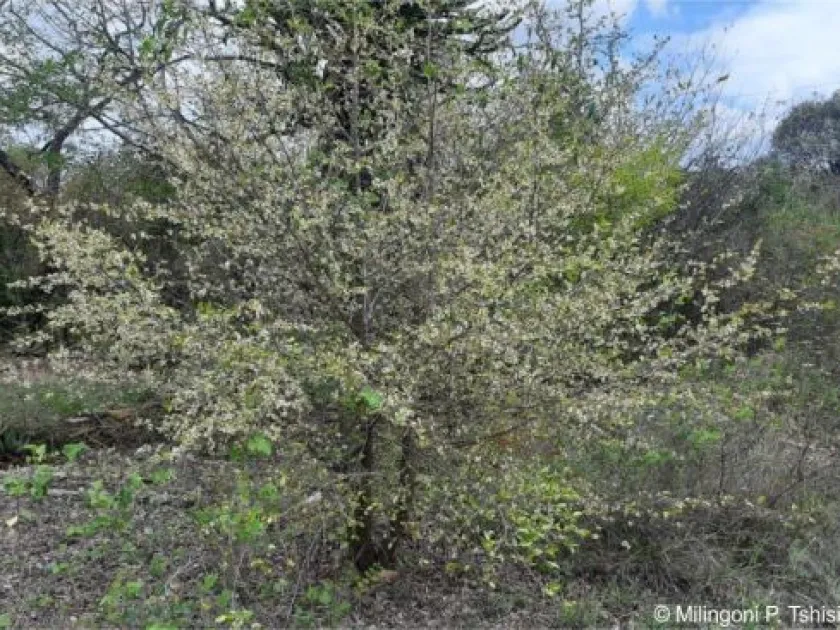
Description
Growing requirements
Brackenridgea zanguebarica is a notable species belonging to the Ochnaceae family. Originating from the tropical regions of East Africa, including countries like South Africa and Mozambique, it is recognized for its unique physiological properties.
The tree is primarily adapted to sandy soils that offer excellent drainage. It thrives in tropical climates where consistent warmth is available throughout the year, requiring full sun exposure for healthy foliage and stem development.
Effective cultivation requires strict moisture management. While the plant appreciates regular hydration, it is highly susceptible to root rot if water accumulates in the rhizosphere. Therefore, the choice of site must prioritize slopes or well-draining soil structures.
The botanical cycle of this species is characterized by slow growth rates. This necessitates a long-term commitment to agronomic management, ensuring that young trees are protected from competition with fast-growing invasive flora.
Economically, this species is highly valued for its medicinal properties. The bark and roots contain bioactive compounds traditionally utilized in local medicine, leading to initiatives aimed at sustainable propagation and cultivation in protected nursery environments.
Main diseases and pests
The main biological threats include fungal infections affecting the root system, which are often triggered by improper drainage practices. Furthermore, xylophagous insects can pose a significant risk to the integrity of the tree's bark and internal structure.
Over-harvesting of the bark remains the most critical threat to wild populations. In controlled cultivation, ensuring tree health involves preventive pest monitoring and maintaining soil aeration to avoid secondary infections common in humid tropical zones.