
Japanese brachyelytrum
Brachyelytrum japonicum
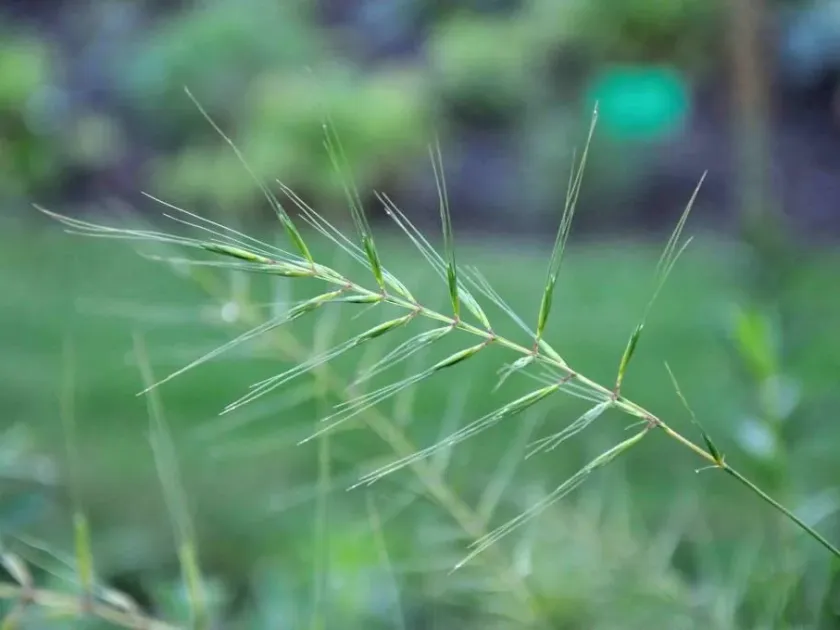
Description
Growing requirements
The Japanese brachyelytrum (Brachyelytrum japonicum) is a perennial grass species belonging to the Poaceae family. This species is characterized by its rhizomatous growth habit, which allows it to form loose clumps across forest floors and moist mountainous terrains.
The plant is native to East Asia, primarily found in Japan, Korea, and parts of the Russian Far East. Its natural habitat is typically characterized by shade, rich forest soil, and constant moderate moisture, distinguishing it from sun-loving cereal crops.
Cultivation of this species requires shaded or semi-shaded environments. Unlike traditional field crops, this grass thrives in areas where light is diffused, making it a potential candidate for forest farming or specialty landscape restoration projects.
Soil requirements involve well-drained, nutrient-rich loams with a slightly acidic to neutral pH. Proper soil structure is essential to maintain the moisture levels necessary for the grass to establish its creeping rhizome system effectively.
Agronomic utility is currently oriented towards biodiversity maintenance and erosion control in shaded areas. Its ability to colonize forest floors provides a natural ground cover that protects soil from wind and water erosion.
Main diseases and pests
Fungal infections remain the primary threat to the stability of Brachyelytrum japonicum populations. High humidity levels without adequate air circulation promote the growth of pathogens that can cause leaf blight or necrotic spots.
Herbivorous insects, particularly those that feed on forest grasses, may cause local damage to the foliage. Careful monitoring is recommended to prevent large-scale infestation during the peak growth season.
Weed competition poses a significant challenge during the seedling stage. As a slow-growing grass, it struggles to compete with faster-growing, invasive weeds in open or newly cleared areas.
Environmental stress, specifically drought, can be detrimental to this species. It lacks the deep root systems required to survive severe water deficits, making irrigation necessary during dry spells.
Agricultural management should prioritize sanitary measures, such as the removal of dead organic matter that could harbor spores, to keep the cultivation area healthy and productive.