
Bouvardia leiantha
Bouvardia leiantha
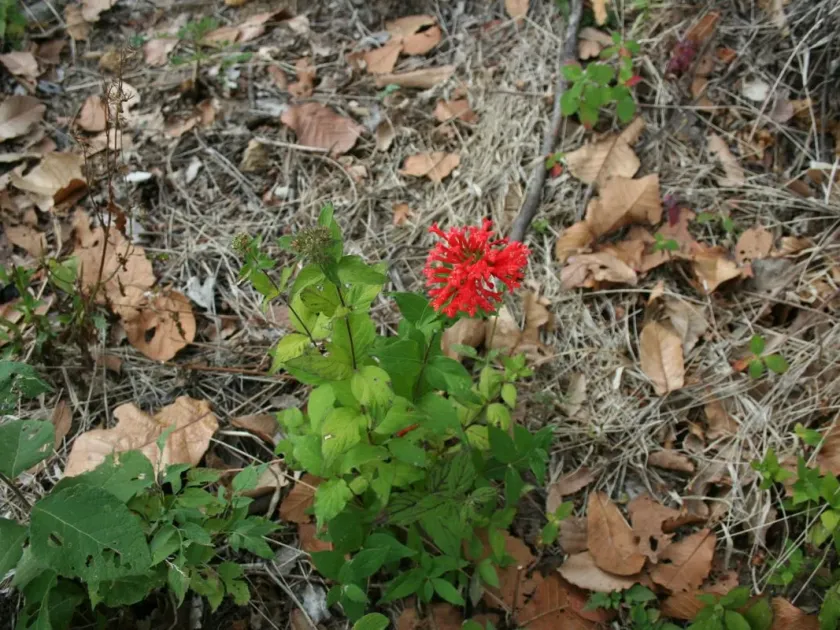
Description
Sowing dates
Propagation of Bouvardia leiantha is primarily conducted through vegetative cuttings during the spring season to ensure rapid establishment.
Seed cultivation requires a fine-textured substrate and high humidity levels in a controlled greenhouse environment for successful germination.
The ideal period for planting or rooting cuttings starts in late February or early March, correlating with increasing daylight hours.
Rooting success is enhanced by using a mixture of peat moss and perlite to maintain a balance between moisture retention and aeration.
Covering the propagation trays with plastic film is essential to maintain high humidity levels until the new root systems develop fully.
Growing requirements
Bouvardia leiantha, a member of the Rubiaceae family, demands precise environmental conditions for optimal growth and flowering performance.
The plant thrives in bright, filtered light and should be shielded from intense, direct solar radiation to prevent leaf desiccation.
A well-draining, nutrient-rich soil mix is critical, as the species is highly sensitive to waterlogging and subsequent root decay.
During the vegetative phase, temperatures between 20 and 25 degrees Celsius are recommended to promote vigorous branch development.
A dormant period with cooler temperatures around 12–15 degrees Celsius is necessary to stimulate flower bud initiation for the next cycle.
Main diseases and pests
Spider mites are the most common pests, particularly prevalent in environments where ambient humidity is not managed correctly.
Whiteflies and aphids may also attack the foliage, necessitating regular inspections to detect and control infestations early.
Fungal infections, such as root rot, are frequent consequences of poor drainage and improper irrigation practices during winter.
Integrated pest management strategies should include both biological controls and targeted chemical treatments when necessary.
Maintaining adequate air circulation around the plants significantly reduces the risk of pathogens and improves overall plant health.
Harvesting
The commercial utility of Bouvardia leiantha lies in its application as a decorative flowering shrub for indoor and greenhouse settings.
Harvesting for floral use should occur when the buds are partially opened to ensure a longer shelf life after the stems are cut.
Post-flowering, pruning is a mandatory practice to shape the plant, improve aesthetic appeal, and trigger renewed growth for the season.
Regular fertilization with balanced nutrients is essential for maintaining the quality and quantity of flower stems during the cycle.
Careful handling of the plant is required throughout the growth process to avoid mechanical damage to the delicate stems and leaves.