
Bothriocline longipes
Bothriocline longipes
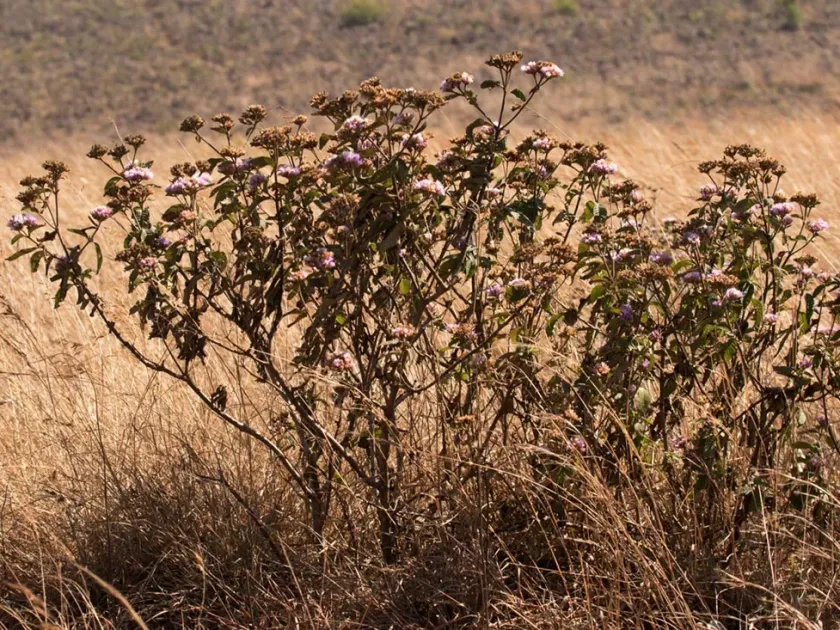
Description
Growing requirements
Bothriocline longipes is a perennial herbaceous plant belonging to the Asteraceae family. This species is native to specific regions of Africa, where it has evolved to thrive in tropical and subtropical environments, forming essential parts of local vegetation patterns.
The botanical structure of this plant includes well-developed stems and leaves that are optimized for photosynthesis under intense solar radiation. It exhibits a robust growth habit, allowing it to compete effectively in its natural habitat when environmental conditions remain stable.
Regarding climate requirements, the plant prefers consistent warmth and avoids regions with extreme temperature fluctuations or harsh frost conditions. A stable microclimate is crucial for maintaining the plant's metabolic activity throughout the active growing season.
Soil composition plays a vital role in the health of this culture. It thrives best in well-aerated, loamy soils that possess a slightly acidic to neutral pH balance. Nutrient availability, particularly nitrogen, is a key driver for biomass accumulation in this species.
Agronomic management involves periodic monitoring of soil moisture levels. While the plant can withstand short dry spells, supplemental irrigation is often necessary to maximize the productivity and quality of the foliage, especially during the early stages of establishment.
Main diseases and pests
The health of Bothriocline longipes is frequently challenged by a variety of fungal pathogens. These organisms typically attack the plant during prolonged wet weather, leading to leaf lesions and, in severe cases, systemic decline of the entire plant structure.
Insect pests represent another significant threat to the crop. Species such as aphids and leaf-eating beetles can cause substantial damage to the photosynthetic surface, leading to reduced energy production and stunted overall growth of the plant population.
Disease management strategies rely heavily on preventative measures. Proper spacing between individual plants is essential to improve airflow, which significantly reduces the humidity levels that favor the growth and proliferation of fungal spores.
Integrated pest management (IPM) practices, including the encouragement of natural predators like ladybugs and predatory mites, are recommended to control insect populations without disrupting the ecological balance of the field.
Regular field scouting is essential to identify early warning signs of infestation or infection. Early detection allows for targeted treatment, which is significantly more effective and environmentally friendly than broad-spectrum interventions during the later stages of the disease cycle.