
Bothriocline laxa
Bothriocline laxa
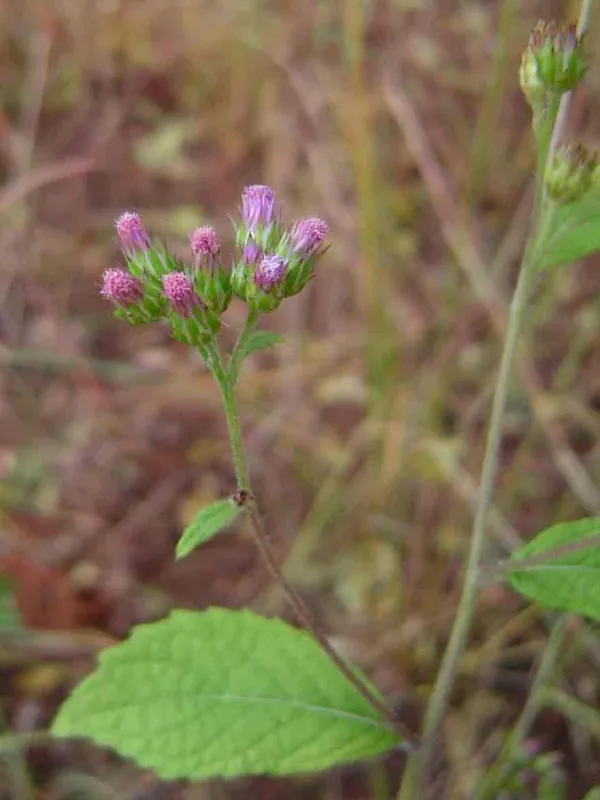
Description
Growing requirements
Bothriocline laxa is a perennial herbaceous plant belonging to the Asteraceae family. Native to the tropical regions of Africa, this species is typically found in meadow habitats and forest margins, showing a strong preference for humid environments with consistent rainfall patterns.
Botanically, the plant is characterized by its semi-shrub structure and distinct branching patterns. Its foliage is adapted to tropical conditions, providing the necessary surface area for efficient gas exchange and photosynthesis throughout the extended growing season.
The climatic requirements for this crop are strict, as it thrives only in warm environments without the risk of frost. Maintaining a temperature range typical of tropical lowlands is essential for the healthy development of the plant and for preventing stress-related stunted growth.
Soil requirements involve a nutrient-rich composition with a neutral or slightly acidic pH level. A high degree of soil permeability is vital, as the plant is susceptible to root decay if the substrate remains saturated for prolonged periods, making proper drainage a top priority.
Agricultural management requires a balanced approach to irrigation and fertility. Nitrogen-based fertilizers are typically applied during the initial stages of vegetative growth to promote biomass accumulation, which is the primary objective when cultivating this specific species for its potential uses.
Main diseases and pests
Fungal diseases are the primary threat, especially in high-humidity cultivation settings where air circulation is insufficient. Regular pruning and maintenance of proper spacing are critical cultural practices to reduce the spread of leaf spot pathogens.
Pest management focuses primarily on common greenhouse pests such as aphids and spider mites. These organisms can rapidly colonize the plant's soft stems, requiring timely intervention through either biological control agents or targeted systemic treatments.