
Bosea yervamora
Bosea yervamora
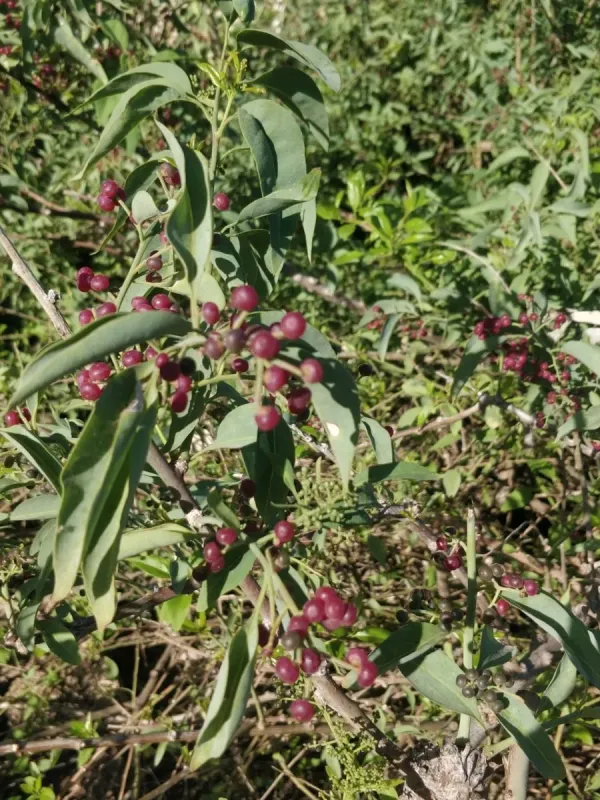
Description
Sowing dates
Propagation of Bosea yervamora in cultivation is most commonly carried out vegetatively by taking semi-hardwood cuttings, which ensures a higher success rate. Propagation by seed is practiced less frequently due to the prolonged germination period and the need for specific environmental conditions.
The optimal time for transplanting young specimens into open ground is during the spring, once the soil has warmed to above 15 degrees Celsius. It is crucial to provide sufficient spacing, up to 1.5–2 meters between shrubs, to allow for the development of a voluminous crown.
To speed up root development, it is recommended to use light growing media amended with perlite and vermiculite to ensure adequate drainage. Moisture levels should be maintained at a moderately high level during the initial weeks following planting.
In greenhouse conditions, planting can be conducted throughout the year, provided that auxiliary lighting is available. This allows for the production of high-quality plant material well before the primary vegetation season begins.
When planning a site, one must account for the slow growth rate of Bosea in its early years. Regular pruning is recommended to stimulate lateral shoot growth and to encourage a more compact and dense bush structure.
Growing requirements
Bosea yervamora belongs to the Amaranthaceae family and is native to the Canary Islands. It is an evergreen shrub that thrives in a mild subtropical climate characterized by the absence of sudden temperature fluctuations and frost.
The plant has high lighting requirements: for optimal development, it needs bright, diffused light. In low-light conditions, shoots tend to become excessively elongated, and the overall aesthetic appeal of the foliage is significantly diminished.
The plant is somewhat demanding regarding soil conditions, preferring well-drained, loose soil with a neutral to slightly alkaline pH. Waterlogging in the root zone is fatal to the plant, making a high-quality drainage layer an essential prerequisite for successful cultivation.
During the active growing season, Bosea requires regular, moderate watering. While mature specimens possess some level of drought tolerance, preventing the root ball from drying out completely is necessary to maintain foliage quality and stimulate flowering.
Temperature should be kept within the range of 18 to 25 degrees Celsius. During winter, the plant requires cool conditions but must be protected from critical sub-zero temperatures, which can lead to the destruction of the root system.
Yield
The primary use of Bosea yervamora is in ornamental horticulture and landscape design within regions featuring suitable climates. As an agricultural crop, it lacks large-scale industrial significance for fruit or seed production.
The ornamental value of the plant lies in its dense evergreen foliage and specific inflorescences that provide an exotic touch to any landscape. The shrub is effectively used for creating hedges and as an accent plant in gardens.
In traditional medicine and ethnobotany of certain regions within its native range, the plant has occasionally been used due to its content of bioactive compounds, although there is no recorded mass yield of medicinal raw material.
Biomass yield depends on the intensity of fertilization and adherence to a structural pruning schedule. Regular removal of older branches facilitates plant rejuvenation and encourages the growth of more robust green matter.
The economic viability of cultivating this crop directly correlates with its demand in the market for rare, exotic ornamental plants used for decorating private and municipal estates.
Main diseases and pests
Common pests for Bosea when grown in protected conditions include spider mites and scale insects. To manage these, the use of systemic insecticides and acaricides is recommended, alongside regular inspection of the underside of the leaves.
Fungal diseases, such as root rot, occur primarily when watering protocols are violated or soil drainage is insufficient. Prevention involves monitoring substrate moisture and applying fungicides at the early stages of symptom development.
Powdery mildew may affect the plant under high humidity and poor ventilation conditions. To prevent the spread of the disease, it is necessary to ensure adequate airflow between individual plants.
Micronutrient deficiencies in the soil can lead to leaf chlorosis, which can be remedied by applying comprehensive chelated fertilizers. It is important to monitor nutritional balance to prevent salt accumulation in the soil solution.
In open-ground cultivation, slugs and snails pose a potential threat by damaging young foliage. Utilizing barrier protection methods or specialized molluscicides helps to minimize damage caused by these pests.