
Bosea cypria
Bosea cypria
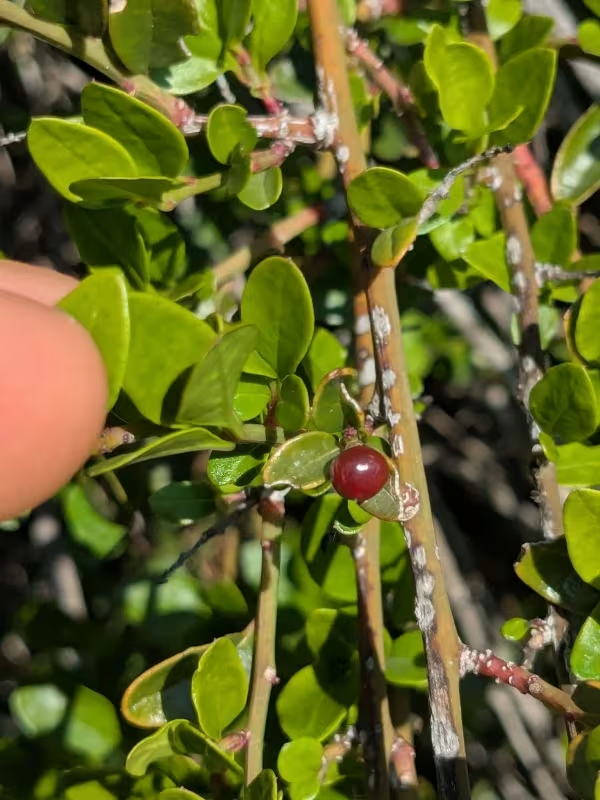
Description
Growing requirements
Bosea cypria is a distinctive species within the Amaranthaceae family, known primarily as an endemic shrub native to the island of Cyprus. This plant has adapted specifically to rocky landscapes and mountainous habitats with high solar radiation.
In terms of agricultural requirements, the species demands highly permeable, well-drained soil. It thrives in calcareous environments and is notably drought-tolerant, making it an excellent candidate for xeriscaping and sustainable water-saving landscapes.
Climate conditions suitable for Bosea cypria are characterized by hot, arid summers and mild winters. It requires protection from prolonged freezing temperatures and excessive frost, which can cause significant damage to the plant's succulent-like shoots.
The agronomic management of this crop focuses on replicating its natural habitat. Regular irrigation is generally unnecessary once the plant is established, as the root system is highly efficient at extracting moisture from deep soil layers.
Its хозяйственное use currently centers on botanical garden displays and landscape design in Mediterranean climates, with potential research interest into its chemical properties as a member of the Amaranthaceae family.
Main diseases and pests
The primary threats to Bosea cypria involve fungal pathogens resulting from high humidity and poor soil drainage, which often lead to crown rot.
Insects such as aphids can cause damage during the tender growth stages in early spring, necessitating careful monitoring of leaf development.
Mechanical damage to the bark or branches can serve as entry points for pathogens, making pruning a task that requires careful sterilization of tools.
Environmental stress, particularly sudden drops in temperature during winter months, can increase the plant's susceptibility to opportunistic infections.
Integrated pest management protocols, including the use of neem oil or biological soaps, are recommended to maintain the health of the specimens without damaging their natural resilience.