
Bonnaya antipoda
Bonnaya antipoda (L.) Druce
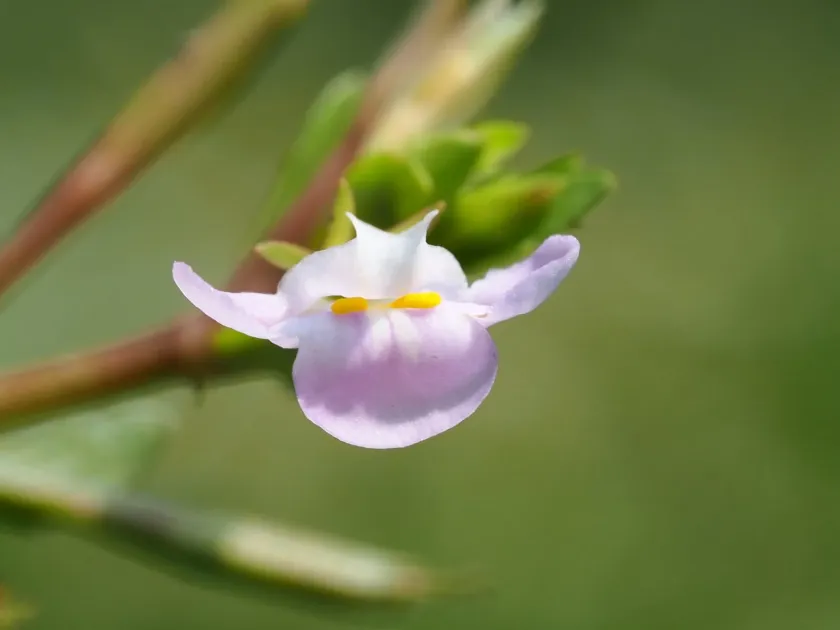
Description
Sowing dates
Bonnaya antipoda is a tropical species that requires specific thermal conditions to initiate its germination and early development phase.
Sowing should ideally occur when soil temperatures consistently range between 22°C and 25°C, ensuring rapid and uniform emergence of seedlings.
In temperate zones, it is highly recommended to start the cultivation in controlled greenhouse environments to protect against unpredictable spring weather.
The use of starter trays for seedlings significantly improves the establishment rate compared to direct sowing in open fields.
Proper timing is critical for this species, as it needs a long, warm growing season to reach its full vegetative potential before the first autumn chill.
Growing requirements
Botanically belonging to the Plantaginaceae family, Bonnaya antipoda is characterized by its significant affinity for water and humid environments.
Optimal growing conditions involve rich, silt-based soils that retain moisture effectively while allowing for sufficient root respiration.
This crop thrives in areas with high atmospheric humidity and abundant sunlight, which are essential for stimulating its metabolic processes.
The agronomic management of this culture focuses heavily on maintaining constant soil moisture levels, often requiring dedicated irrigation infrastructure.
Soil nutrient levels should be supplemented with organic matter to support the rapid development of its characteristic leaves and stems.
Yield
The productivity of Bonnaya antipoda is primarily measured by its total green biomass, which is harvested during the peak of its vegetative growth.
Yield depends heavily on the consistency of the water supply and the prevention of heat stress during the hottest weeks of the summer.
With optimal fertilization and weed management, growers can achieve significant biomass returns per square meter of cultivated land.
Harvesting strategies are often staggered to encourage secondary growth, allowing for multiple cuts within a single growing season.
Efficient yield management requires careful monitoring of the plant's health to ensure that the material harvested meets the required quality standards.
Main diseases and pests
Common threats to this crop include various fungal pathogens that thrive in the same high-humidity conditions required by the plant itself.
Leaf blight and stem rot are frequent issues that require proactive monitoring and the application of targeted fungicidal treatments.
Slugs and snails pose a major threat to juvenile plants, as they are attracted to the succulent foliage and can cause significant damage overnight.
To minimize disease pressure, it is essential to maintain proper airflow between plants and avoid overcrowding during the intensive growth stages.
Integrated pest management, including physical barriers and biological controls, is often more effective than relying solely on chemical intervention.
Harvesting
Harvesting Bonnaya antipoda is best performed during the cooler parts of the day to reduce transpiration loss after the stems are cut.
Precise timing is necessary to ensure the plant is harvested at its nutritional or botanical peak, just before flowering, to maximize tissue quality.
Manual harvesting is common to ensure that only the healthiest parts of the crop are selected, minimizing the risk of contamination.
Post-harvest processing should prioritize rapid cooling to maintain the integrity of the foliage and prevent immediate wilting or degradation.
Proper handling after harvest is essential to ensure that the product retains its intended properties for storage or subsequent processing uses.