
Bongardia chrysogonum
Bongardia chrysogonum
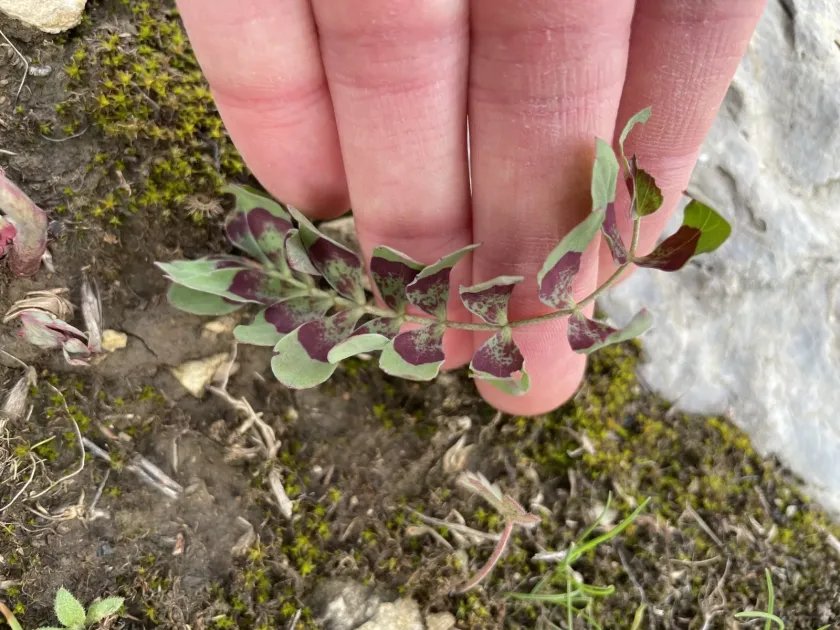
Description
Growing requirements
Bongardia chrysogonum is a distinct species within the Berberidaceae family, recognized for its specialized tuberous roots. As a crop, it is uniquely adapted to arid and semi-arid environments where it survives by utilizing a short spring growing season.
The native distribution of this plant includes arid steppes and stony slopes in parts of Western and Central Asia. Its physiology is optimized for high solar radiation and low soil moisture availability during the dormancy period.
Successful cultivation requires soil with excellent drainage capabilities. Heavy clay soils are unsuitable, as they hold moisture and promote the decay of the tubers, which are sensitive to low oxygen levels in the rhizosphere.
Temperature management is crucial; the plant requires a period of cool weather to trigger growth in the spring, followed by heat to complete its reproductive cycle. Excessive humidity during the storage phase of the tuber must be avoided at all costs.
From an agricultural standpoint, it serves as a niche crop with potential applications in food security for drought-prone regions. However, its domestication requires specific light and soil management protocols to be economically viable.
Main diseases and pests
The primary agricultural threat to Bongardia is fungal decay of the tubers. This is most frequently caused by improper irrigation practices, specifically the application of water when the soil is already saturated or the plant is nearing its natural dormancy.
Soil-dwelling pests, including wireworms and certain beetle larvae, pose a significant risk to the underground organs. These pests can cause physical damage that acts as an entry point for secondary bacterial infections.
Foliar diseases, including powdery mildew, can occur if the microclimate surrounding the canopy remains stagnant for extended periods. Proper spacing and airflow are essential management tools to minimize these risks.
Integrated pest management is recommended for this crop. Due to the sensitivity of the plant, chemical control should be used sparingly and only when threshold levels of infestation are exceeded by established monitoring techniques.
Sanitation of the growing field is vital to prevent long-term soil contamination with pathogens. Crop rotation is strongly advised, ensuring that the field remains free of hosts for at least three to four years between planting cycles.