
Blutaparon portulacoides
Blutaparon portulacoides
Description
Growing requirements
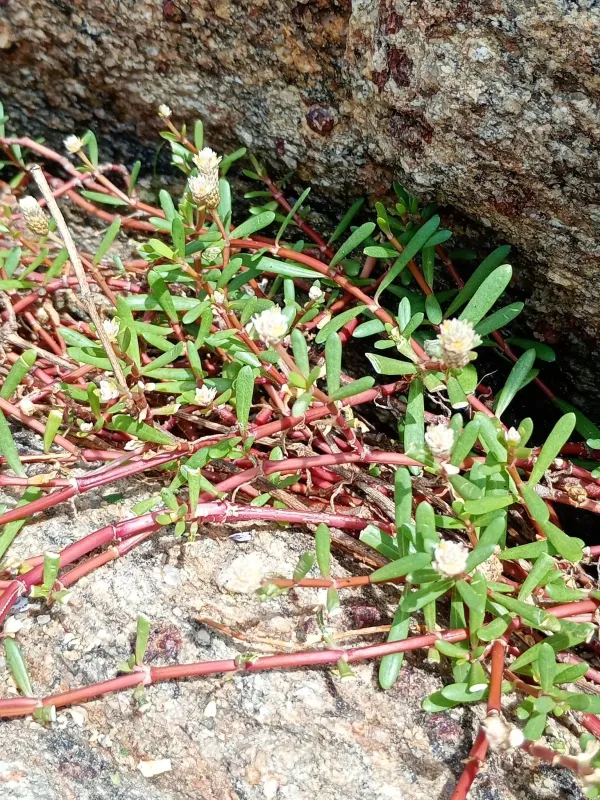
Blutaparon portulacoides is a perennial herbaceous plant belonging to the Amaranthaceae family. It is a specialized halophyte native to the coastal sand dunes and beach environments of South America, characterized by its ability to thrive in saline and nutrient-poor soils.
The plant possesses a unique morphology with succulent-like leaves that are specifically adapted to retain moisture under intense solar radiation and high temperatures. These adaptations allow it to function effectively in exposed coastal environments where other species fail to establish.
For successful cultivation, well-drained, sandy soil with a neutral to alkaline pH is required. Exposure to direct sunlight is essential for optimal growth, as the plant is highly intolerant to shading, which can significantly inhibit its biomass production and vegetative spread.
Blutaparon portulacoides exhibits high tolerance to sea spray and strong wind conditions, making it an ideal candidate for coastal stabilization projects. Its root system is exceptionally efficient at binding shifting sands, which prevents erosion and maintains the integrity of shoreline ecosystems.
From an agrotechnical perspective, maintaining the plant's health requires imitating its natural habitat. This includes minimal fertilization and avoiding over-irrigation, as excessive soil moisture is the most common factor leading to poor development or plant decline in non-native environments.
Main diseases and pests
While Blutaparon portulacoides is generally hardy, it can be susceptible to root-related pathogens if soil drainage is compromised. Standing water often leads to root rot, which is the most common issue observed when introducing this plant to garden or agricultural landscapes.
Insect pests, particularly leaf-feeding beetles and aphids, may occasionally target the foliage during the peak growing season. Regular field monitoring is necessary to identify early infestations and prevent them from reaching damaging levels to the plant's overall health.
Fungal leaf spots may occur in conditions of high humidity combined with poor air circulation. To manage this risk, it is recommended to space plants appropriately to ensure good ventilation throughout the canopy, which helps in drying off leaves after heavy precipitation.
Chemical intervention should be used cautiously, as halophytes can be sensitive to synthetic pesticides. Integrated pest management (IPM) strategies, which prioritize manual removal and the use of organic deterrents, are highly recommended for managing threats in this crop.
Sanitation practices are essential for disease prevention, including the prompt removal and disposal of any necrotic or damaged tissue. This reduces the inoculum pressure of potential pathogens and ensures the long-term sustainability of the established plant community.