
Blumenbachia insignis
Blumenbachia insignis
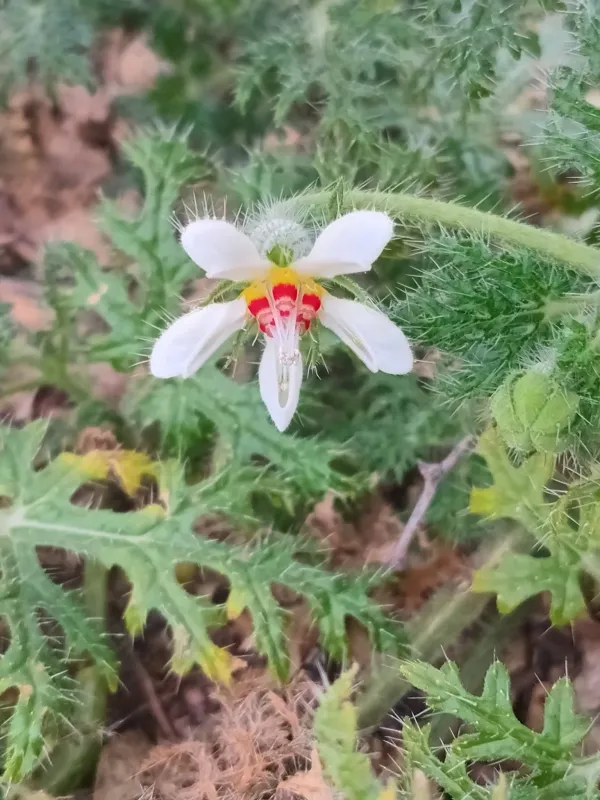
Description
Sowing dates
Sowing Blumenbachia insignis is typically done indoors in early spring, specifically in March or April, to provide the necessary head start. Seeds should be sown shallowly in high-quality, sterile starting mix.
Transplanting seedlings to the permanent outdoor location should only occur after all risks of frost have passed. These plants thrive in environments where soil temperature remains consistently warm.
For outdoor sowing in warmer climates, seeds should be placed at a depth of roughly 0.5 cm. Ensure the soil is kept consistently moist but not saturated during the germination period.
Optimal germination temperatures are between +20 °C and +22 °C. Using a propagation tray with a transparent cover helps maintain the required humidity for delicate seedlings.
Seedlings should be hardened off gradually before final planting. This transition phase ensures the plants can withstand the fluctuations of outdoor environmental conditions.
Growing requirements
Blumenbachia insignis belongs to the Loasaceae family and is native to South America. It is a frost-tender climbing plant that requires a sunny, sheltered spot to achieve its full potential.
The plant thrives in well-drained, fertile soil. Providing proper soil structure is crucial, as the roots are sensitive to waterlogging and can easily rot if the drainage is poor.
Since it is an enthusiastic climber, structural support such as trellises, fences, or wires is essential. This allows the plant to display its intricate and beautiful flowers effectively.
Regular but moderate watering is necessary throughout the growing season. It is best to water at the base of the plant to keep the foliage dry, which prevents fungal issues.
Gardeners must be aware that the plant is covered in stinging hairs. Protective gloves and long sleeves should be worn when performing any maintenance tasks like pruning or training.
Main diseases and pests
Root rot is the most common threat, usually caused by overwatering or poor soil drainage. Improving soil porosity is the primary solution for preventing this issue.
Pests such as aphids and spider mites can occasionally affect the plant in greenhouse or indoor conditions. Integrated pest management practices should be employed if infestation occurs.
Powdery mildew may develop during periods of high humidity and poor air circulation. Proper spacing between plants helps ensure good airflow and reduces the risk of infection.
Soil-borne nematodes can damage the root systems of more sensitive specimens. Maintaining good soil health through rotation and organic amendments is recommended.
Because the foliage is protected by stinging structures, the plant is generally less susceptible to grazing by slugs and snails, which is a notable advantage in many garden settings.