
Blumenbachia hieronymi
Blumenbachia hieronymi
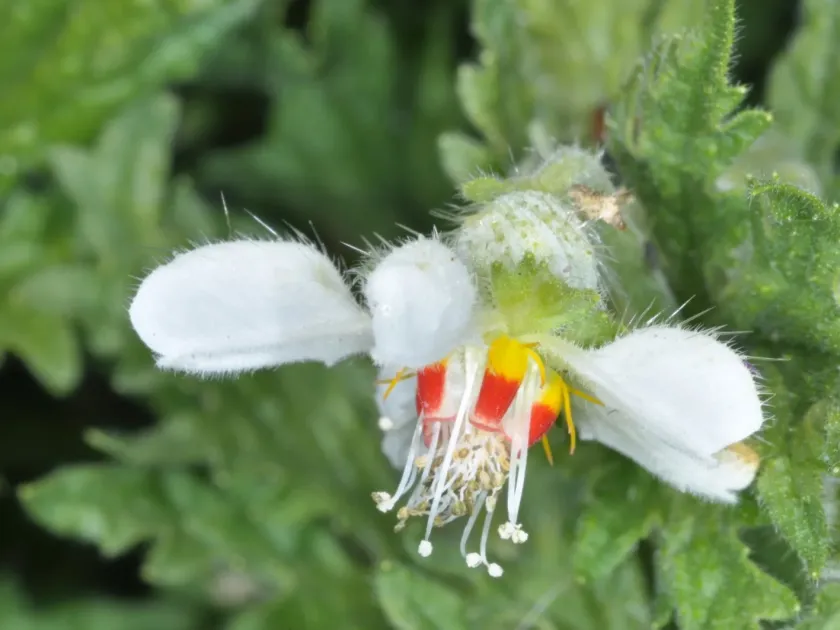
Description
Sowing dates
Sowing seeds of this culture is recommended at the end of winter or early spring using a seedling method. This allows the plant to accumulate sufficient vegetative mass before the active flowering period.
To germinate, the seeds require a soil temperature between +20...+22°C. Seed containers should be kept in a well-lit area, avoiding direct sunlight on the delicate young sprouts.
Pricking out the seedlings into individual containers is performed after the emergence of the second pair of true leaves. The plant is extremely sensitive to root system damage, so transplanting must be done using the transfer method.
Planting in open ground is planned only after the risk of frost has completely passed. The optimal time for transplanting to a permanent location is late May or early June.
A prior hardening process for seedlings before being planted outdoors for 7-10 days contributes to better adaptation of the vine to environmental conditions and strengthens its stems.
Growing requirements
Blumenbachia hieronymi is an exotic annual vine belonging to the Loasaceae family, native to the mountainous regions of South America. It is characterized by stinging hairs on its foliage and stems.
The culture prefers sunny areas protected from strong winds where it can reach its full ornamental potential. The plant requires a reliable support system for its vertical climbing growth.
Soils for successful cultivation should be fertile, light, and possess excellent drainage properties. Stagnant moisture in the root zone is detrimental to this species and often triggers root rot.
During the active growth period, the plant requires regular but moderate watering. It is important to avoid spraying water directly on the leaves to prevent sunburn or fungal infections.
The plant responds well to periodic feeding with complex mineral fertilizers containing lower nitrogen levels to stimulate flowering rather than excessive vegetative growth.
Main diseases and pests
The primary threat to the culture is soil-borne pathogens that thrive in excessively damp conditions. Various types of rot are the most frequent cause of young plant mortality.
Among pests, sucking insects such as aphids and spider mites cause the most damage. They multiply rapidly on tender shoots, weakening the vine's immunity and stunting its overall development.
The plant's stinging hairs provide a defense against larger pests, but they do not stop smaller phytophages. Regular inspection of the undersides of the leaves allows for the timely detection of pest colonies.
Disease prevention involves following crop rotation practices and avoiding overly dense planting, which ensures better air circulation around every specimen.
If signs of infestation are detected, it is necessary to use systemic insecticides or biological agents, strictly following the dosage and frequency instructions provided on the products.