
Blidingia minima
Blidingia minima
Description
Growing requirements
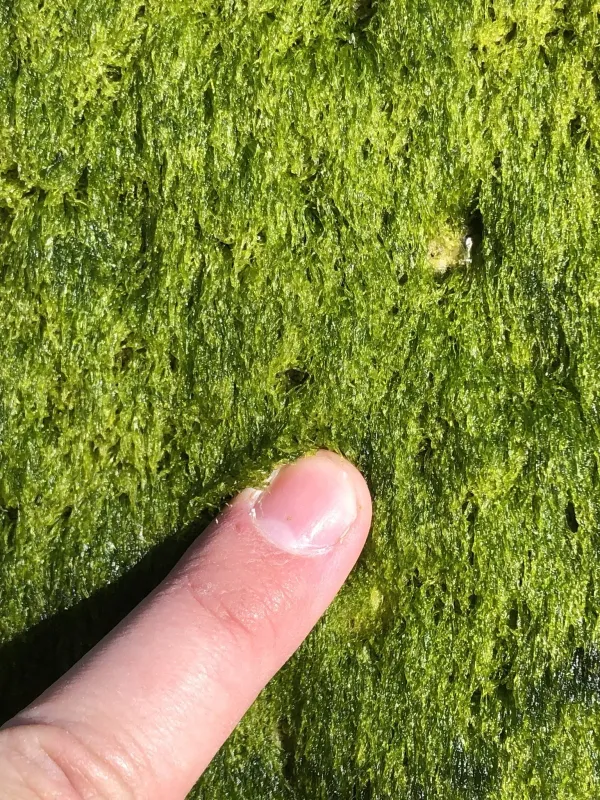
Blidingia minima is a green macroalga belonging to the family Ulvaceae. It is characterized by its tubular, unbranched thalli which often form dense, grass-like mats on rocky shores and intertidal substrates.
This species is highly adapted to the littoral zone. Its physiological resilience allows it to withstand significant periods of desiccation during low tides and extreme exposure to direct sunlight, which would be lethal for many other marine species.
Regarding soil and water requirements, the algae thrives in areas with consistent nutrient availability. It exhibits high tolerance to salinity fluctuations, making it perfectly suited for estuaries and coastal areas influenced by freshwater run-off.
The substrate preference for this species includes stable surfaces like natural rocks, boulders, and artificial structures such as concrete seawalls. Secure attachment is essential for the algae to endure the constant mechanical stress of wave action.
Optimal growth conditions are generally found in temperate climates, though its global distribution confirms its ability to thrive under various thermal regimes, from cool temperate waters to warmer subtropical environments.
Main diseases and pests
Chemical pollution stands as the primary threat to Blidingia minima populations. Contaminants such as heavy metals, detergents, and industrial chemicals directly damage the cell integrity of the thalli, preventing successful growth.
Overgrazing by marine herbivores is another common pressure. Populations of gastropods and small crustaceans can rapidly clear large areas of the algal mats, especially when the organism's population density is low.
Pathogenic organisms, including certain types of marine bacteria, can induce tissue degradation in dense colonies. This process is often accelerated by water stagnation and lack of tidal flushing, leading to localized die-off.
Anthropogenic modification of coastlines, such as dredging or the construction of coastal defenses, can destroy natural habitats, leading to the fragmentation and eventual loss of local algal beds.
Competition with faster-growing, opportunistic species, often triggered by eutrophication, can successfully displace Blidingia minima from its niche, significantly reducing its competitive advantage on the rocky substrate.