
Pine dropseed
Blepharoneuron tricholepis
Description
Growing requirements
Pine dropseed (Blepharoneuron tricholepis) is a perennial, bunch-forming grass species belonging to the Poaceae family. Native to the mountainous terrains of the Southwestern United States and Mexico, this plant is perfectly adapted to the thin, high-altitude soils typical of pine forests and alpine slopes.
The plant thrives in climates characterized by wide temperature fluctuations and short growing seasons. Its physiological mechanisms allow it to endure prolonged dry spells, making it an essential component of the vegetation cover in regions where water availability is unpredictable.
For optimal growth, Blepharoneuron tricholepis requires well-drained soils, ideally sandy or rocky substrates. It does not tolerate waterlogging, as proper root aeration is critical for its survival in natural and cultivated environments.
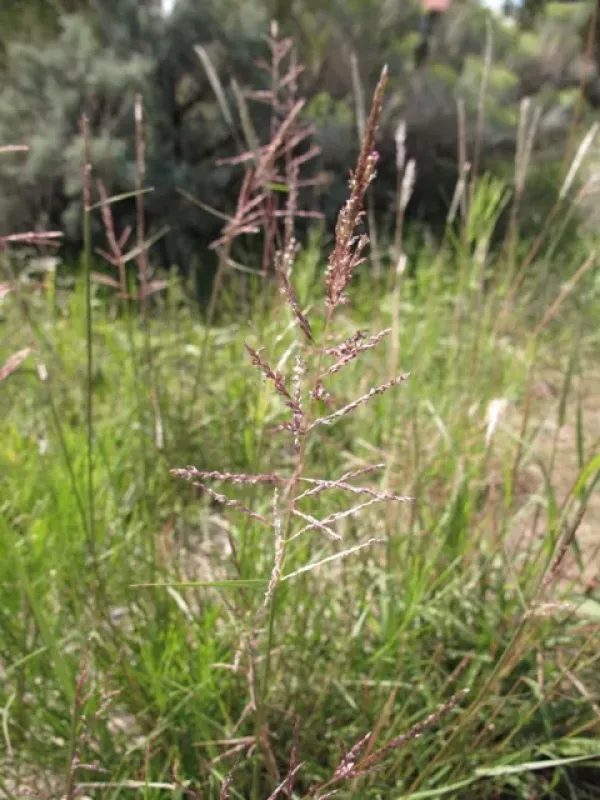
Botanically, the plant is distinguished by its fine, thread-like leaves and delicate, open panicle inflorescences. This structural design enables the plant to efficiently navigate limited nutrient availability while maintaining high reproductive success through wind-dispersed seeds.
Economically, pine dropseed is valued primarily for range management and land restoration. Its dense root system makes it an excellent choice for stabilizing erodible soils on steep slopes, while providing a nutritious forage source for both livestock and wildlife.
Main diseases and pests
The primary threats to Blepharoneuron tricholepis populations include fungal pathogens that thrive during unusually humid periods. Diseases like leaf rust and powdery mildew can significantly impair the grass's ability to photosynthesize, leading to reduced vitality.
Pest pressure from grasshoppers and other chewing insects poses a significant threat to established stands. During peak infestation years, these pests can cause severe damage to leaf tissue, drastically reducing the available biomass for grazing.
Overgrazing remains the most substantial management risk for this species. When grazing intensity exceeds the natural regeneration rate of the plant, the root reserves become depleted, leaving the grass susceptible to further environmental and biological stresses.
Invasive weed species compete with pine dropseed for sunlight and soil nutrients, potentially displacing the native population. Proper range management, including the control of non-native plant encroachment, is essential for maintaining healthy stands.
Implementing a strategic grazing plan is recommended to maintain the long-term health and vigor of the population. Allowing adequate rest periods after grazing ensures that the plant can replenish its carbohydrate stores, thereby building resilience against pests and diseases.